/Logo/Prime_logo_web_colour.svg)
/Logo/Prime_logo_web_white.svg)
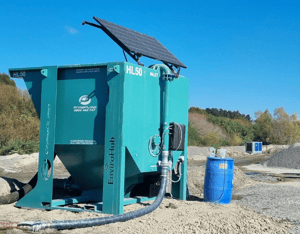

Dewatering, Bypass & Sewage
Facing tight budgets and tough consent conditions? We’ll sort your fluid movement needs reliably and efficiently.
Site-specific selection
Right pump – right site
It’s not just the pump. It’s what the fluid is doing on site.
- Changing levels or suction lift?
Self-priming pumps handle variability and keep working without constant intervention. - Deep or confined areas?
Submersible pumps are often the better fit. - Lowering groundwater across a wider area?
Wellpoint or staged dewatering setups come into play.
We work from the site conditions first – then match the setup to get the job done.
.webp?width=300&name=1-BBA-pumps-maitai-river%20(1).webp)
Flow-critical reliability
Practical solutions for bypass and sewage work
Bypass and sewage jobs place different demands on equipment. Temporary bypass and stormwater bypass setups need pumps that start quickly, re-prime reliably, and keep fluid moving as site conditions change.
For sewage applications, solids, fibrous material, abrasive content, pipe layout, and vertical lift all affect pump choice and long-term reliability.
%20(1).png?width=300&name=Western_Trunk_Sewerbypass_Pipeworks_Weillington_2025%20(1)%20(1).png)
Dewatering, bypass & sewage solutions
From a needs assessment to design, installation, servicing and support, we provide practical solutions that deliver.

Auto Prime
Auto PrimeSimplify your bypass or dewatering set-up with ultra-efficient, low-maintenance dry self-priming pumpsmore

Wellpointing
WellpointingLower and manage groundwater efficiently with equipment and solutions tailored to local conditions.more

Submersibles
SubmersiblesSubmersible drainage pumps manage water levels and prevent flooding to ensure safe, efficient operations.More
High Head
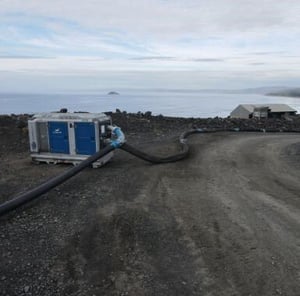
High HeadAchieve reliable performance with fewer units when greater vertical distances are involved.More
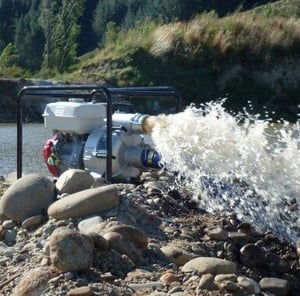
Handy, Trash & Diaphragm
Handy, Trash & DiaphragmHard-working drainage pumps for as-required site dewatering or water circulation.More
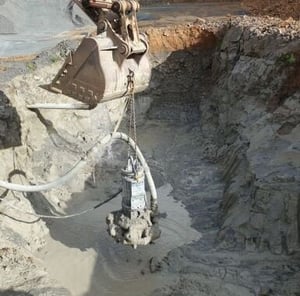
Dredges and Dredge Pumps
Dredges and Dredge PumpsTransportable dredging solutions for sediment, tailings, and over-burden removal, and mineral or aggregate extraction.More
GALLERY
In the field
At Prime Fluid Management, experience talks. Take a look at some of our recent projects.
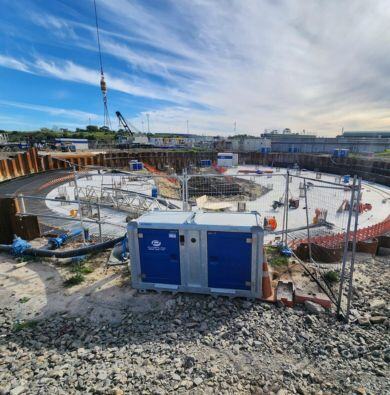
Dewatering, Bay of Plenty
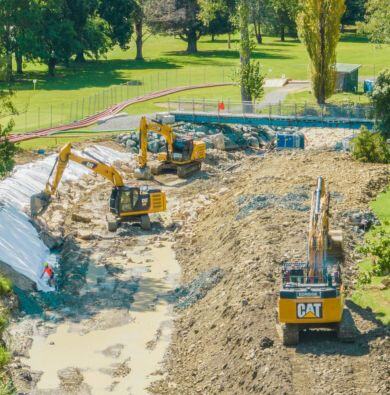
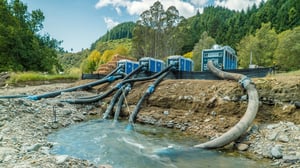
River Bypass, Nelson
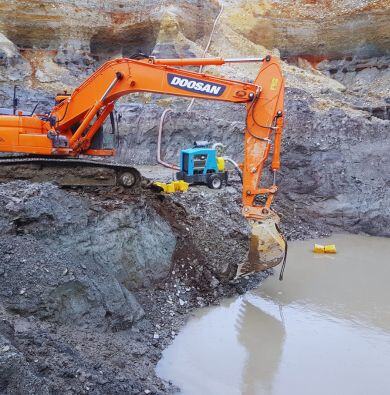
Pit dewatering
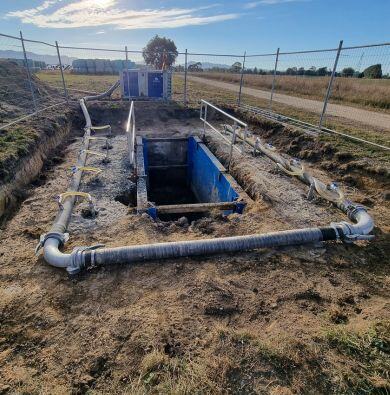
Wellpointing, Waikato
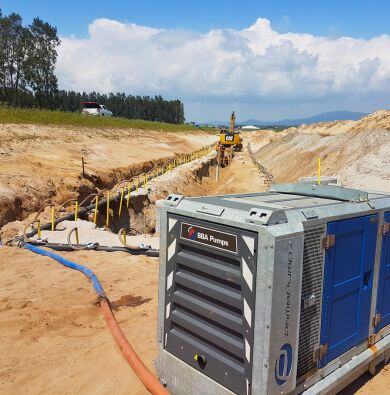
Wellpointing, Canterbury
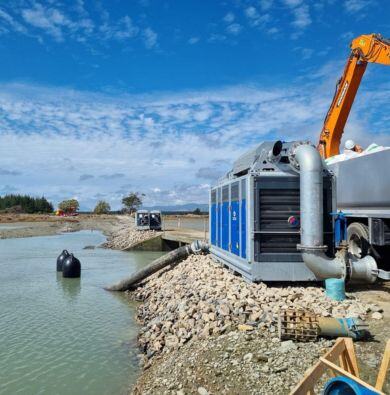
Dewatering
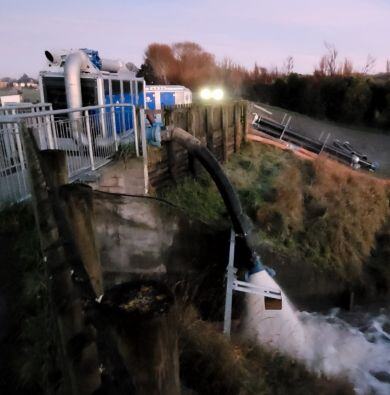
Emergency Flood Response, Nelson
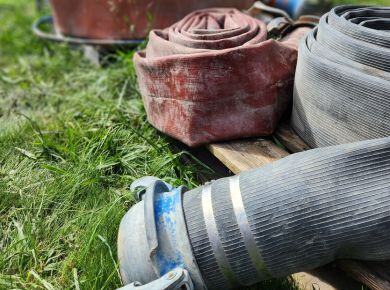
Dewatering Accessories
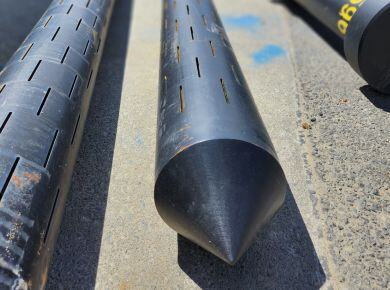
Steel Wells, Wellpointing
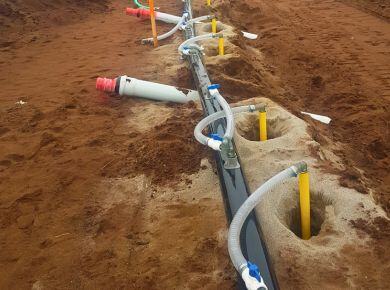
Wellpointing
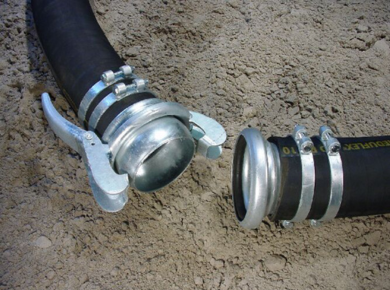
Dewatering Accessories
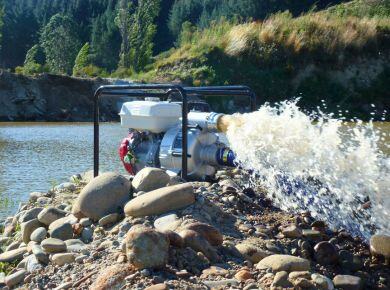
Trash Pump
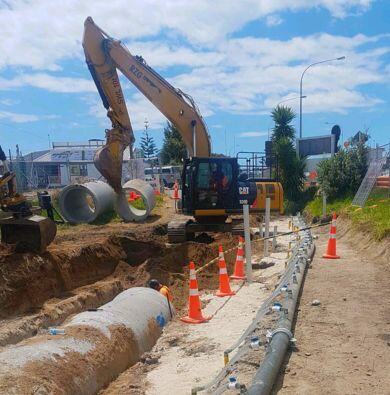
Dewatering, Waikato
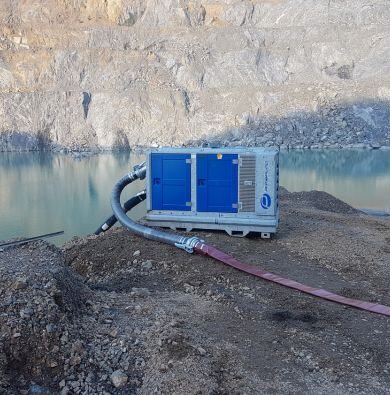
Pit Dewatering, West Coast
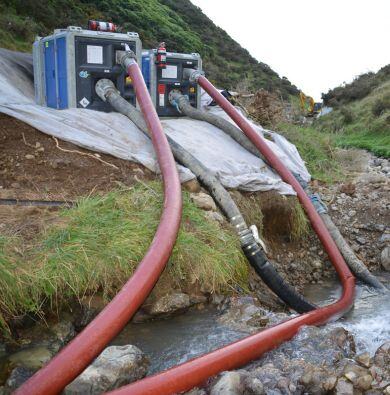
Dewatering, Wellington
.jpg)
Dewatering, Tasman District
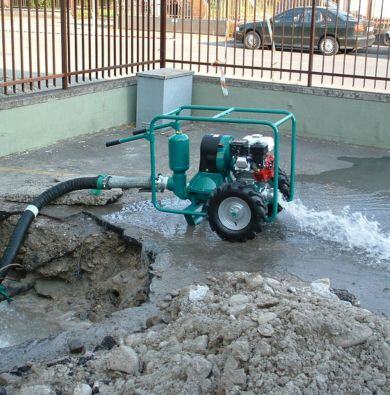
Trash Pump, Dewatering
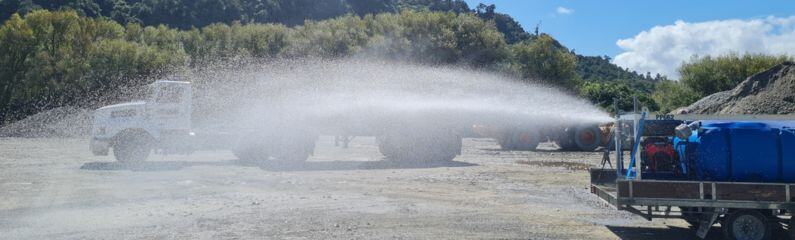
Jetting trailer - dust suppression, West Coast
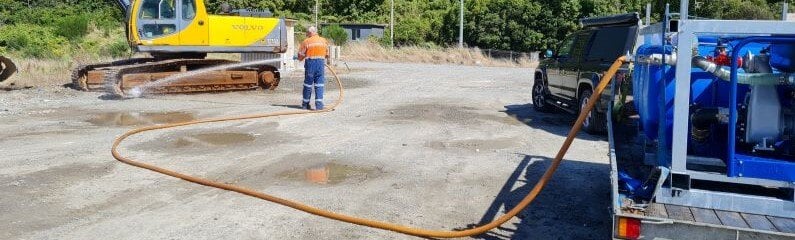
Water Cart/Jetting trailer, West Coast
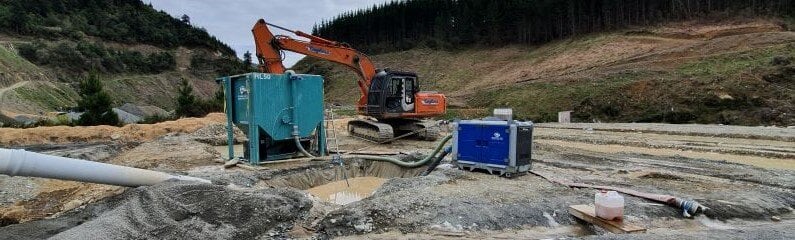
Dewatering, Bay of Plenty
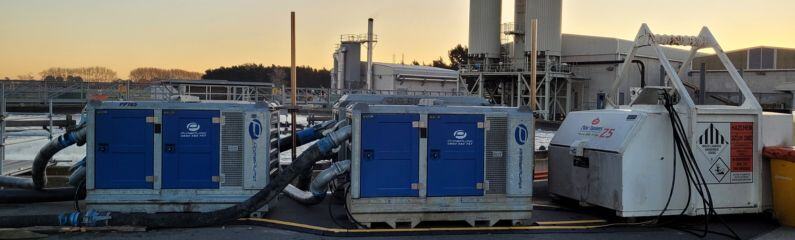
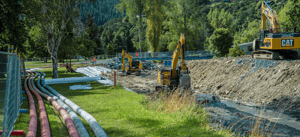
Emergency Sewer Bypass, Canterbury
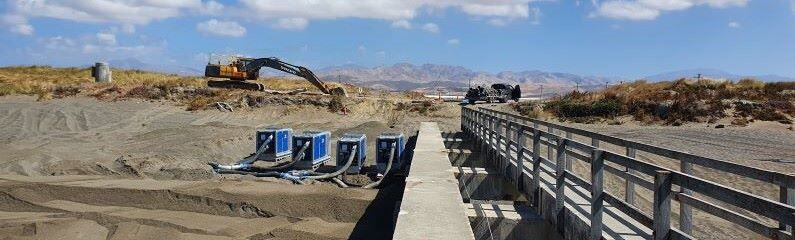
Dewatering, Otago
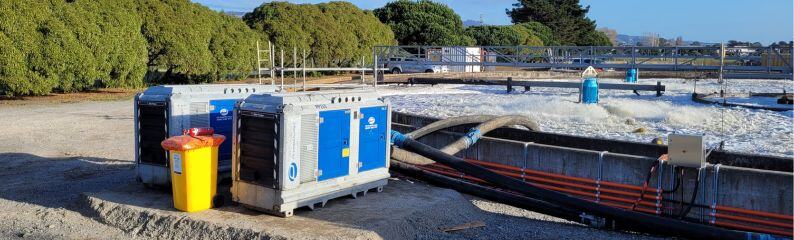
Sewer Bypass, Canterbury
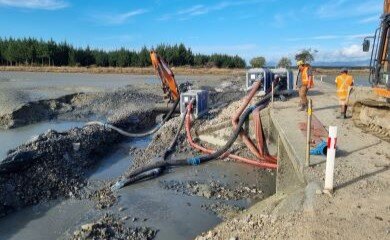
Dewatering
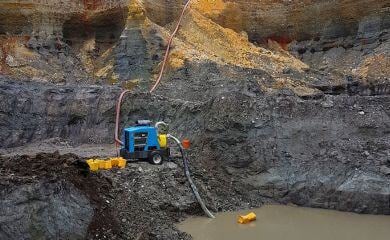
Pit dewatering
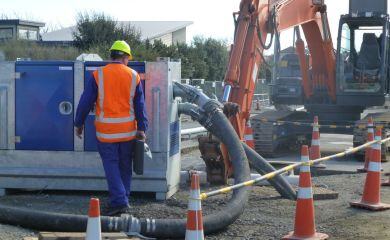
Dewatering
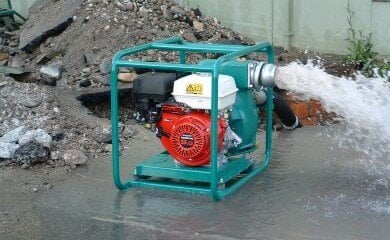
Trash Pump