/Logo/Prime_logo_web_colour.svg)
/Logo/Prime_logo_web_white.svg)

.webp?width=300&name=Wellpointing_Banner%20(1).webp)
Wellpointing Solutions
- Home
- Solutions
- Dewatering, Bypass & Sewage
- Wellpointing Solutions
Adaptable wellpointing solutions
Wellpointing can be a tricky business. Groundwater rarely behaves as you expect and soil conditions vary from point to point.
Prime Fluid Management understand wellpointing. We have the expertise to support your teams on the ground where required and can advise on equipment – including our own custom wells designed for New Zealand’s often fickle groundwater structures.
Our positive displacement wellpointing pumps deliver consistent high-pressure in a range of environmental conditions. They auto-prime and will pump a mixture of water and air without any restrictions.
All models on this page are available for hire
From complex projects to emergency response, nationwide.
Flexible solutions to meet your needs
Being highly experienced in wellpoint dewatering, we stock a range of products, including wells custom-designed for perched water. We can offer:
- Expertise and on-site support
- Unrivalled pump performance and economy
- Hybrid, diesel and electric drive pumps
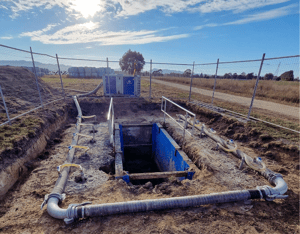
BBA Pumps DriveOn® Technology
BBA Pumps’ DriveOn® design philosophy aims to reduce the physical and material demands of pump maintenance. DriveOn® pumps deliver:
- Ergonomic design for improved physical working conditions
- 1500hr service intervals
- 83% less scheduled maintenance
- 25% less engine oil required
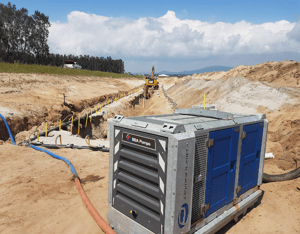
In The Field
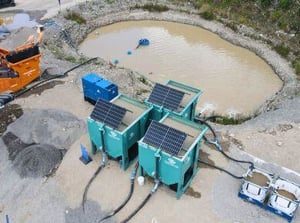
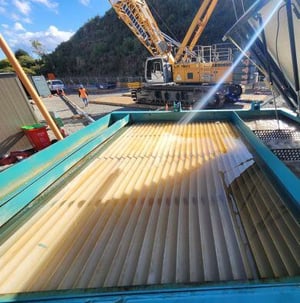
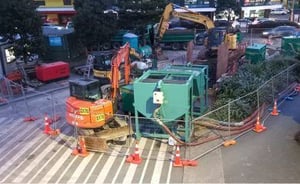
At Prime Fluid Management, experience talks. Take a look at some of our recent projects.
Overview of our Industrial Chemical Pumps
Tsurumi submersible drainage pumps cover portable, abrasion-resistant and high-head dewatering for clean to lightly contaminated water with sand and silt.
- Max flow: 720m³/hr
- Max head: 230m
- Power: 0.75-150kW
- Materials: aluminium alloy | high-chromium iron | grey cast iron
Submersible wastewater and sewage pumps use channel, vortex and cutter impellers to handle solids and fibrous material across industrial duties.
- Max flow: 6,600m³/hr
- Max head: 70m
- Max solids handling: up to 100mm
- Materials: cast iron
Corrosion-resistant submersible pumps for aggressive wastewater, chemicals and seawater where cast iron is unsuitable.
- Max flow: 124.8m³/hr
- Max head: 44m
- Discharge sizes: 40-80mm
- Materials: resin | stainless steel | titanium
Tsurumi aerators provide oxygen transfer and circulation to support solids suspension and biological treatment in wastewater and process water.
- Max air flow rate: 528m3/hr
- Max water depth: up to 6m
- Power: 0.75-40kW
- Air inlet bore: 25-150mm
Portable solids-handling pumps for rapid deployment in demanding slurry and wastewater jobs.
- Discharge sizes: 50-80mm
- Max flow: 24.6L/s
- Max head: 17.7m
- Double mechanical seals
Dry or submerged pumps for wastewater jobs needing clean installs, cooling, and easy access.
- Discharge sizes: up to 700mm
- Max flow: 3,000L/s
- Max head: 90m
- Closed-loop cooling
Dry-installed pumps for plant or station use with flexible horizontal or vertical mounting options.
- Discharge sizes: 32-700mm
- Max flow: 3,000L/s
- Max head: 90m
- Horizontal or vertical mounting
Self-cleaning sump solution for wastewater stations and shafts with floating and settled solids.
- Discharge sizes: 50-200mm
- Max flow: 180L/s
- Max head: 60m
- Automatic clog detection
External tank mixing for sludge tanks and digesters, tailored with no in-tank moving parts.
- Discharge sizes: 100-300mm
- Max flow: 300L/s
- Max head: 11m
- Multiple configurations
Air-operated double diaphragm (AODD) pumps handle challenging fluids with air-powered operation. Choose for chemicals, viscous liquids, solids and shear-sensitive products. Self-priming, dry-running, and easy to maintain.
- Max flow: 1,136L/min
- Max pressure: 8bar
- Max solids: 46mm
- Stainless steel | Aluminium | PP | PVDF | PTFE
Electric Double Diaphragm (EODD) pumps combine diaphragm versatility with lower energy use and greater process control. Suit chemical handling, dosing and automated operations.
- Max flow: 454L/min
- Max pressure: 7bar
- Aluminium | Stainless steel | PP | PVDF
Choose hygienic double diaphragm pumps where gentle handling, self-priming and dry-running matter. SaniForce air-operated and electric pumps cover low to medium viscosity applications.
- Max flow: 870L/min
- Max pressure: 8bar
- Connections: 1 to 4"
- Stainless steel
- Models available: BV, FG, HS, 3A, LP and PH
Pomac hygienic centrifugal pumps provide smooth, efficient transfer of clean, low-viscosity products – where easy cleaning is important.
- Max flow: 500m3/hr
- Max head: 150m
- Max viscosity: 500cP
- CIP compatible
Select self-priming pumps where entrained air, foam or intermittent suction disrupt centrifugal priming while hygienic CIP remains essential.
- Max flow: 200m3/hr
- Max head: 90m
- Handles entrained air
- Automatic repriming
Pomac rotary lobe pumps offer gentle, reversible flow for viscous, shear-sensitive or particulate products – while preserving product integrity.
- Max flow: 110m3/hr
- Max pressure: 15 bar | up to 25 bar on request
- Low-shear product handling
- Reversible flow
Hygienic liquid ring pumps maintain stable flow where entrained air, gas or foam disrupt conventional centrifugal pumping.
- Max flow: 53m3/hr
- Max head: 45m
- Handles high air or gas content
- Automatic self-priming
Channel impeller pumps provide efficient, gentle transfer of low to medium viscosity products containing soft solids or larger particulates.
- Max flow: 1,300m3/hr
- Max head: 38m
- Max solids: 250mm
- Open solids flow path
Ideal for handling tough wastewater applications with high dry solids content, ensuring reliable and robust performance.
- Power: 1.5 to 18.5 kW
- Long service intervals
- Heavy-duty construction
- Strong, user-friendly mounting brackets
LJM stirrers are designed for optimal wastewater treatment, preventing sedimentation and ensuring efficient media movement.
- Power: 1.5 to 18.5kW
- Self-cleaning propeller
- Low energy consumption
- Heavy-duty cast structures
Available open frame or silenced canopy, use BA-series electric pumps indoors or in sensitive urban locations.
Flow (max): 3250m3/h
Head (max): 115mwc
Couplings: 3”- 16”
Solids: 25mm – 105x120mm
Sample content- Available open frame or silenced canopy, use BA-series electric pumps indoors or in sensitive urban locations.
Flow (max): 3250m3/h
Head (max): 115mwc
Couplings: 3”- 16”
Solids: 25mm – 105x120mm
Available open frame or silenced canopy, use BA-series electric pumps indoors or in sensitive urban locations.
- Size: 32mm - 800mm
- Max flow: 3250m3/hr
- Max head: 115mwc
- Solids: Up to 145mm
Delivering extreme fuel economy, BA Diesel pumps limit emissions by delivering performance at low RPM.
- Size: 50mm - 700mm
- Max flow: 7800m3/hr
- Max head: 220mwc
- Solids: up to 259mm
Combining vacuum assistance and impeller efficiency for reliable fluid handling where significant suction lifts and discharge pressure is required.
- Size: 75mm - 400mm
- Max flow: 3250m3/hr
- Max head: 115mwc
- Max solids: 25mm
- Bauer Fittings & adapters
- Strainers
- Fuel tanks & generators
Suited to high head and heavy dewatering, dam or pond cleaning, extraction and coastal protection.
Significant economy over traditional methods.
- Size: 100mm – 355mm (4”-14”)
- Max flow: 29,167 L/min
- Max head: 56m
- Solids: 120mm
Move large volumes of abrasive materials without clogging or excessive wear. Available with advanced control panels for remote monitoring.
- Size: 75mm – 300mm (3”-12”)
- Max flow: 20,000 L/min
- Max head: 27m
- Solids: 120mm
Remote-controlled, easy to transport, easy to assemble .
- Pontoon (min): 1.5m x 1.5m x 0.4m
- Weight (incl. pump): 250kg – 920kg
- Draft: 0.11m – 0.30m
Maximise versatility and effectiveness with Dragflow's small but mighty mini dredges.
Remote-controlled, easy to transport, easy to assemble.
These electric dredge pumps are often used for extracting material below the water table, or maintaining sludge levels.
- Size: 75mm – 300mm (3”-12”)
- Max flow: 833 L/s
- Max head: 120m
- Max Solids: 120mm
Designed to handle heavy slurries, primarily used for sludge transfer. Capable of pumping up to 70% of solids by wieght.
- Size: 100mm – 355mm (4”-14”)
- Max flow: 1,111 L/s
- Max head: 68m
- Max Solids: 120mm
Agitate compact sludge and other materials with powerful water jets.
- Electric & hydraulic models
- Filter & non-return valve
- Delivery line
Combined with the dredge pump’s agitator, these excavators break compacted material so that it can be drawn into the pump and discharged
- Replacable teeth
- Electric & hydraulic models
Dragflow’s own control panel includes a smart-phone style touch screen and wireless modules for remote pump control and monitoring.
- Monitor remotely
- Control remotely
- Performance history
Delivering exceptional fuel economy, BBA BA Series diesel and electric-drive vacuum assisted auto prime pumps are compact, fuel efficient and easy to deploy.
- Size: 100 – 300mm (3” – 12”)
- Max flow: 100 - 1450m³/hr
- Max head: 17- 8mwc Solids: up to 120mm
Compact, economical, efficient, BBA PTO Tractor pumps perform vacuum-based tasks on demand, including high-volume fluid and slurry transfer.
- Size: 150 - 400mm
- Max flow: 3000m³/hr
- Max head: 38mwc
- Max solids: 100mm
A tractor driven centrifugal pump with hydraulic rotation, Veneroni PTO pumps offer flexibility of use even in low immersion.
- Size: from 250mm
- Speed: 540rpm
- Max power: 88kW
- Max flow: 1,000L/s
Delivering significant fuel economy, our generators feature extended service intervals, large fuel tanks and silenced canopies. They can be monitored remotely.
- Sizes: 8kW - 70kW
- Fuel capacity: 410L - 499L
- Weight (dry): 1050kg - 1450kg
- Larger generators available.
- Size: 50mm - 254mm (2” – 10”)
- Max flow: 350L/s
- Max head: 200m
- Max Solids: 12mm
- Size: 50mm – 203mm (2” - 8”)
- Max flow: 110 l/sec
- Max head: 90m
Caffini pumps designed for high flow, low pressure situations where transfer of thick slurries is required.
- Size: 50mm - 152mm
- Max Flow: 830L/min
- Max Head: 15m
- Max Solids: 60mm
Caffini pumps designed for high flow, low pressure situations where transfer of thick slurries is required.
- Size: 50mm - 102mm
- Max flow: 520L/min
- Max head: 15m
- Max Solids: 60mm
- Size: 76mm - 102mm
- Max flow: 144m³/hr
- Max head: 32m
- Max solids: 40mm
A lightweight, portable dewatering pump with rugged frame, protected coil, cast-iron impeller and 3-dog coupling for safer handling. No priming required.
- Size: 76mm (3")
- Max flow: 1100L/min
- Max head: 26 m
- Size: 50mm – 152mm (2”– 6”)
- Max flow: 350L/s
- Max head: 200m
- Max solids: 11mm
Compact, lightweight Proril SMART and SAVVY series pumps provide reliable low-volume dewatering for domestic and small construction applications.
- Size: 25mm – 50mm (1”- 2")
- Max flow: 110L/s
- Max head: 90m
- Max solids: 35mm
A compact pump offering pressures up to 20 bar (290psi), available with Stage V diesel engine. Use in tank cleaning/ wellpoint jetting/ underwater excavation.
- Size: 76mm
- Max flow: 110m³/hr
- Max head: 105mwc
- Max solids: 25mm
Available open frame or sound-attenuated.
- Size: 76mm
- Max flow: 110m³/hr
- Max head: 115mwc
- Max solids: 25mm
Combining vacuum assistance and impeller efficiency for reliable fluid handling.
Used when significant suction lifts and discharge pressure is required.
- Size: 75mm - 400mm
- Max flow: 3250m³/hr
- Max head: 115mwc
- Max solids: 25mm
- Size: 50mm - 254mm (2” – 10”)
- Max flow: 350L/s
- Max head: 200m
- Max Solids: 12mm
- Size: 50mm – 203mm (2” - 8”)
- Max flow: 110 l/sec
- Max head: 90m
- Bauer Fittings & adapters
- Strainers
- Fuel tanks & generators
Wangen’s core product, the self-priming KL-S series will convey any self-flowing fluid from low to high viscosity with or without solids. High performance at low rpm.
- Series: KL-S
- Speed: 152 – 221rpm
- Max pressure: 36 - 48 Bar Free passage: 24 – 150mm
This Wangen pump is designed for precise conveying and dosing in wastewater treatment plants. It features a durable, wear-resistant flexible joint that requires no oil filling, ensuring maintenance-free operation and preventing media contamination
- Series: KB10 (Plastic)
- Flow Rate: 0.5 up to 200L/h
- Series: KB22S (Cast Iron)
- Flow Rate: 200 up to 4000L/m
- Max Pressure: 16 bar
Developed for ease of maintenance, you can change wear parts of the Wangen Xpress with the pump still in your pipeline. Suitable for low-viscous media.
- Series: Xpress
- Power: 7.5 – 18.5kW
- Speed: 152 – 221rpm
- Max flow: 102m³/hr
- Max pressure: 6 Bar
Wangen produces an extensive range of hopper feed pumps for slurries and pastes with high solids content (KL-R Series) and dewatered sludge (KL-RU, KL-RQ, KL-RS and KL-R Triplex models).
- Max flow: 560m3/hr
- Max pressure: 48 bar
- Max solids: 45%
- For extremely dry or lumpy material
Low-noise, low-maintenance, high-efficiency side channel blowers to aid aeration and mixing process of primary sludge in wastewater treatment applications.
- Max airflow: 4.4m3/min
- Noise: 52 - 73dB
- Max vacuum: 250mbar
- Max compression: 260mbar
The Solid, Salvador, Senior and Sandy models, designed for continuous, unattended operation where reliability is critical and solids content is high.
- Size: 50mm – 100mm (2” – 4”)
- Max flow: 24L/s
- Max head: 38mwc
- Max solids: 80mm
Constructed for maximum wear-resistance, the Grindex Bravo range handles highly abrasive liquids with a pH tolerance of 5.5 – 14. Agitators are built-in in some models.
- Size: 100mm – 150mm (4” – 6”)
- Max flow: 130L/s
- Max head: 45mwc
- Max solids: 40 mm
A rugged and cost-effective solution the Proril Stormy series feature high chrome impellers, agitators and wear plates to withstand tough slurry transportation.
- Size: 75mm – 200mm (3” – 8”)
- Max flow: 110L/s
- Max head: 30mwc
- Max solids: 40mm
- Size: 75mm – 300mm (3”-12”)
- Max flow: 50,000 L/min
- Max head: 120m
- Solids: 120mm
Suited to high head and heavy dewatering, dam or pond cleaning, extraction and coastal protection.
Significant economy over traditional methods.
- Size: 100mm – 350mm (4”-14”)
- Max flow: 66,700 L/min
- Max head: 68m
- Solids: 120mm
Constructed from AISI 316 stainless steel.
- Size: 2” – 6”
- Max flow: 130L/s
- Max head: 200m
- Solids: 80mm
Contact areas are constructed from 304 or 316 stainless steel.
- Size: 2” (50mm)
- Max flow: 43m3/h
- Max head: 18mwc
- Solids: 40mm
Rugged, lightweight, run-dry electric submersibles.
- Size: 50mm - 254mm (2” – 10”)
- Max flow: 350L/s
- Max head: 200m
- Max Solids: 12mm
- Size: 50mm – 203mm (2” - 8”)
- Max flow: 110 l/sec
- Max head: 90m
- Size: 50mm –102mm (2” – 4”)
- Max flow: 22L/sec
- Max head: 20m
- Max solids: 37mm
They offer low impeller wear and long pump life.
- Size: 50mm –102mm (2” – 4”)
- Max flow: 28L/sec
- Max head: 34m
- Max solids: 55mm
Constructed from AISI 316 stainless steel minimum.
- Size: 50mm – 203mm (2” – 6”)
- Max flow: 130L/sec
- Max head: 200m
- Max solids: 80mm
- Size: 50mm – 76mm (2” - 3”)
- Max flow: 11L/sec
- Max head: 20m
- Max solids: 40mm
- Drive: diesel DriveOn®
- Max flow: 435m³/hr
- Max pressure: 40mwc
- Max solids: 100mm
- Size: 76mm – 152mm (3” – 6”)
- Max flow: 100L/sec
- Max head: 42m
- Max solids: 76mm
- Bauer Fittings & adapters
- Strainers
- Fuel tanks & generators
Optional:
- Inverter
- Flange kit
- Automatic greaser
- Zinc anodes
Use Alpha Pompe ORA-A cast-iron, self-priming open impeller pumps for separated or treated effluent. Their straightforward design keeps maintenance simple and wear parts to a minimum.
- Max head: 76m
- Max solids: 20mm
- Available in 18.5kW
- Max head: 75m
- Available in 7.5kW, 11kW, 15kW
Very low maintenance and highly dependable, Wangen KL Series of effluent PC pumps perform at very low rpm and features a unique, encapsulated cardon joint that is wear and maintenance-free.
- Power: 7.5 – 18.5kW
- Speed: 152 – 260 rpm
- Max flow: 60m³/hr
- Max pressure: 12 bar
- Max flow: 102m³/hr
- Max pressure: 6 Bar
- Max Dry Solids: 8%
- Compact and designed for hard to access locations
- Series:
- Power:7.5 – 18.5kW
- Speed: 152 – 221rpm
- Max flow: 102m³/hr
- Max pressure: 6 Bar
LJM's TPA-Series slurry pump is an economical solution where dry-mounting is an option. Offering built-in cutters for fine shredding of straw and feed residues, the TPA is ideal for liquid manure with very high dry solid content.
- Max flow: 96.6m3/h
- Max head: 27.5m
- Outlet: 4" - 6"
- Output: 5.5kW - 18.5kW
Auto-switch available.
- Size: 102mm or 152mm (4” or 6”)
- Max flow: 78m³/hr
- Max head: 20m
Available with sound-attenuated canopy.
- Size: 130mm – 250mm (4”- 10”)
- Max flow: 190m³/hr
- Max head: 20m
- Size: 76mm – 152mm (3”- 6”)
- Max flow: 103m³/hr
- Max head: 20m
Heavy-duty marine grade aluminium casing, stainless steel impeller (cast iron optional).
A great pump for dust suppression systems.
- Size: 80mm
- Max flow: 25L/s
- Max head: 70m
- Transportable on a tandem axle trailer or truck bed
- Features an outlet for jetting in wellpoints and dust suppression - both can be controlled wirelessly via a hand remote.
- It has the function to suck water out of an open source to re-fill the tanks.
Small, lightweight seal-less plastic pumps for the safe handling of corrosive chemicals.
- Max capacity: 150mL/m
- Max head: 11.5m
- Power: 0.065kW –0. 25kW
- Materials: PP, GFRPP, PVDF, CFRETFE
General-purpose, seal-less, chemical-resistant pumps for medium-duty chemical applications.
- Max capacity: 80m3/hr
- Max head: 45m
- Power: 0.37kW – 7.5kW
- Materials:ETFE+CF, PP+GF
Leak-free, compact, variable frequency chemical pumps for applications where process control is crucial.
- Max capacity: 51m3/hr
- Max head: 40m
- Power : 0.37kW – 7.5kW
- Materials: PP+GF, PP+CF, ETFE+CF
Sealless, plastic-lined pumps ideal for outdoor applications in utilities, chemical and wastewater treatment processing.
- Max capacity: 57m3/hr
- Max head: 40m
- Power: 0.37kW – 3.7kW
- Materials: ETFE+CF , ETFE+GF
Reinforced, high-capacity pumps used for handling large volumes in chemical unloading and transfer applications.
- Max capacity: 108m3/hr
- Max head: 76m
- Power: 5.5kW – 18.5kW
- Meets ISO 2858, ISO 15783 standards
Heavy-duty process pumps with metallic armor and PFA-lining for handling high-purity aggressive chemicals up to 150 degrees.
- Max capacity: 180m3/hr
- Max head: 88m
- Power: 1.5kW – 30kW
- Materials: ETE, PFA
- Meets ISO 2858 standards
Mechanically-sealed thermoplastic pumps suited to larger flowrates and applications with solids.
- Max capacity: 330m3/hr
- Max head: 88m
- Material : PP, PVC, PVDF, PFTE
- Designed to ISO2858
A compact horizontal end-suction pump suited to small-scale applications with minimal flow of corrosive or aggressive chemicals.
- Max capacity: 26m3/hr
- Max head: 22m
- Material : Polypropylene, PVC, PVDF, 316 s/s
- Open Impeller for solids handling
Rugged chemical pumps that mount internally or externally. Seal-less , patented run-dry design. Machined from solid plastic with 2-year warranty.
- Max capacity: 250m3 /hr
- Max head: 48m
- Column length: 400mm – 4.5m
- Material: Polypropylene, PVC, PVDF, 316 s/s
Built for low flow, higher-head applications for highly corrosive chemical transfer over long distances or at higher pressure.
- Max capacity: 26m3/hr
- Max head: 66m
- Flexible design
- Material: PP, PVC, PVDF
Positive-displacement pumps that transfer medium-high viscosity fluids with minimal lubricating properties and no suspended solids.
- Max flow: 800L/min
- Max pressure: 25bar
- Max viscosity: 20,000 cSt
- Material : cast iron, PTFE bronze, 316 s/s
Corrosion-resistant, durable submersibles used to transfer clean or slightly contaminated water up to 40 degrees.
- Size: 50mm – 76mm (2”-3”)
- Max flow: 11L/s
- Max head: 20m
- Max solids: 40mm
Self-priming, multi-stage pumps offering low NPSH for medium-to-high-pressure applications for fluids with high gas content.
- Max flow: 35m3/hr
- Max pressure: 350m
- Max temp: 180C
Wangen's KL-S, KB-S and KB22S self-priming progressive cavity pumps convey high viscous media up to 200,000 mPA-s, with or without solids. The KB22S is designed specifically for dosing.
- Max Flow: 560 m3/hr
- Max Pressure: 48 bar
- Materials: S/steel, cast iron
Low-maintenance VSL pumps feature a 400mm column and balanced impeller to prevent liquid backing up the pump shaft. Uses: metal treatment, tank emptying, transfer and re-circulation.
- Max capacity: 80m3/hr
- Max head: 40m
- Column length: up to 750mm
- Materials: Polypropylene, PVC, PVDF, 316 s/s
Rugged, totally corrosion-resistant pump. Cantilever shaft and patented run-dry design. Uses: sump emptying, recirculation, effluent treatment, flume scrubbers.
- Max capacity: 65m3/hr
- Max head: 40m
- Column length: up to 750mm
- Materials: Polypropylene, PVC, PVDF
Large-scale, reliable, heavy-duty pumps. Wetted parts are corrosion resistant. Machined from solid plastics.
- Max capacity: 250m3/hr
- Max head: 48m
- Column length: 1m – 4.5m
- Materials: Polypropylene, PVC, PVDF, 316 s/s
Volumetric self-priming gear pumps that deliver sustained performance at higher pressure. Available in cast iron steel shafts and gears as standard.
- Viscosity: Up to 1,000 cSt
- Flow rate: 5-80L/min
- Max. pressure: 25 bar
Compact, efficient and designed for continuous operation in typical applications. Available in cast iron; bronze and AISI 316 stainless steel.
- Viscosity: Up to 1,000 cSt
- Flow rate: 2-70L/min
- Max. pressure: 12 bar
Compact and strong like its BMF-range siblings, the BCF range is suits use cases where continuous operation is not required
- Viscosity: Up to 1,000 cSt
- Flow rate: 2-70L/min
- Max. pressure: 12 bar
Designed with bell housing and coupling to fit an industrial electric motor. Available in cast iron, bronze and AISI 316 stainless steel.
- Viscosity: Up to 1,000 cSt
- Flow rate: 2-70L/min
- Max. pressure: 12 bar
Gear pump with bare shaft and feet mounting typically installed on a skid and driven by a B3 electric motor. ATEX version available.
- Viscosity: Up to 20,000 cSt
- Flow rate: 5-800L/min
- Max. pressure: 12 bar
A bareshaft gear pump with heating chamber integrated into the pump housin. Use when pumped liquid requires heat to prevent hardening. ATEX models available.
- Viscosity: Up to 20,000 cSt
- Flow rate: 10-400L/min
- Max. pressure: 12 bar
GVR’s B-Series pumps mounted on a skid with pump base and driven by a B3 electric motor via a coupling. Atex models available.
- Viscosity: Up to 20,000 cSt
- Flow rate: 5-800L/min
- Max. pressure: 12 bar
- Material: Cast iron, bronze, s/s AISI 316
Used to transfer chemical products and low viscosity media where low flow and high pressure are required.
- Viscosity: Up to 1,000 cSt
- Flow rate: 5-25L/min
- Max. pressure:25 bar
- Material: Stainless steel AISI 316
High duty self-priming segmental pumps designed for chemical and hazardous liquids (X) and liquified gases.
- Max flow: 35m3.hr
- Max head: 348m
- Nominal pressure: PN40
- Materials: cast iron, ductile iron, stainless steel, alloy
Medium duty, self-priming segmental pumps suited to shipyard use, dissolved air flotation and CIP.
- Max flow: 35.5m3/hr
- Max head: 144m
- Nominal Pressure: PN16 PN25X
- Materials: cast iron, bronze, stainless steel, alloy
Self-priming pumps used for clean and grey water, wells and irrigation and fuel transfer.
- Max flow: 7.5m3/hr
- Max head: 100m
- Nominal Pressure: PN10
- Materials: cast iron, bronze
Handle liquified gases, condensates, chemical and hazardous liquids in unfavourable suction conditions.
- Max flow: 35.5m3/hr
- Max head: 354m
- Nominal Pressure: PN40
- Materials: cast iron, ductile iron, stainless steel, alloy
Multistage self-priming centrifugal pumps. Suitable for gases, clean liquids and corrosives hot or cold.
- Max. flow: 70m3/hr
- Max pressure: 40 bar
- Max. lift: 8.5 mwc
Multistage self-priming centrifugal pumps suitable for gases, clean liquids and corrosives hot or cold.
- Max flow: 7.5m3/hr
- Max pressure: 150m
- Lift: 7m
- Max Temp: 120°C
Horizontal single-stage pumps for mineral or synthetic heat transfer oils up to 350°C. Suitable for positive and negative suction pressure installations, they feature a back pull-out design for maintenance without disturbing pipework.
- Max temp: 350°C
- Max flow: 1000 m³/h
- Max head: 95 m
Varisco V-Series volumetric internal gear positive displacement rotary pumps manage clean fluids with high viscosity where chemical-physical alteration must be avoided.
- Max capacity: 240m3/h
- Max pressure: 16 bar
- Ports: 40-200mm
- Std Set ups: bare shaft, base+joint, vertical
TCD-Series single-stage centrifugal pumps will handle thermal fluids up to 365 degrees without additional cooling systems. TCD/SP Series pumps are specifically designed for vegetable oils.
- Max flow: 450 m3/hr
- Max head: 150m
- Max temp: 365 degrees
- Material Options: Ductile Iron & AISI 316 S/Steel
Horizontal single stage pumps for hot water up to 207°C, with double heat barrier used primarily for hot water circulation in closed pipe and vessel systems.
- Max flow: 600m3/hr
- Max head: 90m
- Max temp: 207°C
- Casing Pressure: PN25
Volute pumps for hot water up to 180°C, with standard uncooled mechanical seal, and internal separation.
- Max flow: 600m3/hr
- Max head: 95m
- Max temp: 180°C
- Casing Pressure: PN16
Volute pumps for hot water up to 230°C with standard uncooled mechanical seal, internal separation.
- Max flow: 600m3/hr
- Max head: 90m
- Max temp: 230°C
- Casing Pressure: PN40
The Hyline Series by Wangen features flexible and maintenance-free joints, and sedimentation-free design. Convey or dose food and beverages, cosmetics and pharmaceuticals.
- Max flow: 7m3/hr
- Max pressure: 20 bar
- Max solids: 26mm
Wangen’s KB-SL, KL-SL and KL-RF hygienic progressive cavity pumps are tailored to convey low to very high viscosity media.
- Max flow: 150m3/hr
- Max temp.: 140°C
- Max pressure: 48 bar
- Max viscosity: 200,000 mPa-s
Available as a mobile or stationery unit, the MX-series hygienic progressive cavity pump offers differential pressure up to 80 bar.
- Max flow: 100m3/hr
- Max pressure: 80 bar
- CIP/SIP cleaning possible
Wangen Twin Screw pumps ensure smooth, gentle pumping of viscous, abrasive or shear-sensitive fluids, with CIP/SIP cleaning and minimal downtime.
- Max flow: 200 m3/hr
- Max pressure: 30 bar
- Max solids: 40mm
A patented feeder unit for the Wangen Twin Screw pump. Conveys highly viscous, non-flowable media with variable hopper length.
- Max flow: 10 m3/hr
- Max temp: 90°C
- Max viscosity: 3,000,000 mPa-s
Horizontal ring-section pumps engineered for power plants, chemical processing, and oil & gas applications.
- Max flow: 250m3/hr
- Max head: 1000m
- Max temp.: 180°C
- Max pressure: 100 bar
Ring-section horizontal multistage pumps designed for high pressure.
- Max flow: 250m3/hr
- Max head: 1600m
- Max temp: 180°C
- Max pressure: 160 bar
Ring-section horizontal multistage pumps designed to ISO5199 / EN25199. Modular design for maximum interchangeability.
- Max flow: 450m3/hr
- Max head: 630m
- Max temp: 180 degrees
- Max pressure: 45 bar
- Casing Pressure: 40 bar
Ring-section horizontal multistage pumps designed to ISO5199 / EN25199. Modular design for maximum interchangeability.
- Max flow: 450m3/hr
- Max head: 630m
- Max temp: 180°C
- Max pressure: 60 bar
- Casing Pressure: 63 bar
Barrel-type multistage pumps designed for ultra-high-pressure applications, particularly in power generation and heavy industrial processes.
- Max flow: 190m3/hr
- Max head: 425m
- Max temp: 190°C
- Max pressure: 40 bar
The AM Series bronze, self-priming centrifugal pumps have a double volute body. Use for bilge, deckwash, fire prevention or ballast.
- Max flow: 100m3/hr
- Max head: 79m
Varisco J-Series pumps suit applications that require fast priming from demanding suction heights, and the ability to manage polluted waste and abrasive fluids with suspended solids.
- Max flow: 1200m3/hr
- Max head: 110m
- Max solids: 76mm
- Self-priming: up to 7.5m
Direct coupled to WEG W22 electric motors, Varisco JE NT pumps fast self-prime from demanding suction heights. Ideal for dirty liquids with suspended solids.
- Max flow:1200m3/hr
- Max head: 110m
- Max solids: 76mm
- Materials: cast iron, hardened cast iron, s/s
Varisco J-series JS pumps are bare shaft. They can be long-coupled on a baseplate with your choice of drive unit. Additional options include:
- Inverter
- Flange kit
- Automatic greaser
- Zine anodes
Varisco J-Series JP pumps include an adaptor for a hydraulic motor.
- Max flow:1200m3/hr
- Max head: 110m
- Max solids: 76mm
- Materials: cast iron, hardened cast iron, s/s
SolidsPro submersible mixers keep solids suspended in wastewater or effluent slurries for pumping, treatment or storage.
- Speed: 750-1,450rpm
- Power: 0.6-5.3kW
- Reaction thrust: 78-830N
- Propeller diameter: 128-400mm
- Materials: cast iron with 316 stainless steel propeller
Engineered to resist clogging SolidsPro submersibles feature recessed impellers with large free passage. Ideal for pumping large volumes of waste fluids with solids or particles.
- Max flow: 103m3/hr
- Max head: 20m
- Max solids: 80mm
- Double mechanical seal in oil bath
Wangen KL-T Series Progressive Cavity Immersion pumps safely convey media from tanks and pools with high metering accuracy even at low rpm.
- Max Flow: 102m3/hr
- Max Pressure: 6 bar
- Max viscosity: 200,000 mPA-s
- Max Dry Solids: 16%
The LJM OMPG-Series of powerful stirrers are designed for digestion and sludge tanks with relative high dry matter content. They are available ATEX rated up to 7.5kW.
- Propeller: self-cleaning acid-proof or coated steel
- Mech. seals: oil bath, leak sensor, bimetallic sensors
- Output: 1.1kW - 7.5kW
- Start: Star-delta/ soft starter
- Available Sizes: 5.5 kW to 18.5 kW.
Ideal for continuous operation, Dargang Side Channel Blowers provide reliable, oil-free movement of air or gas, where low-noise, low-maintenance, high-efficiency operation is desired.
- Max airflow: 4.4m3/min
- Noise: 52 - 73dB
- Max vacuum: -250mbar
- Max compression: +260mbar
Bareshaft (LOH/ LEH/LPH-X) and close-coupled (LEM/LEL) displacement pumps for the handling and exhausting of dry or humid gases, or entrained liquid during normal duty.
- Consistent vacuum performance
- Simple, robust design
- Oil-free operation
- Use for: chemical processing, food production, pharmaceuticals
Built for heavy-duty industrial applications, SIHI KPH liquid ring vacuum pumps deliver High-capacity vacuum generation for demanding processes.
- Energy-efficient operation
- Durable construction
- Ideal for large-scale processing
Uncomplicated and robust displacement pumps, the SIHI LOH, LPHX and LPHC series will handle nearly any gas or vapour in food production, extrusion, petrochemical and environmental applications.
- Low maintenance, low noise, very-low vibration
- Handles liquid “carry over”
- Materials: cast iron, stainless steel
The Varisco V CHOCO series internal positive displacement pumps are tailored specifically to chocolate manufacture.
- Pumps non-acidic food liquids, >pH4.5
- No fluid crushing
- No sugar crystallization
- Guaranteed temperature stability
Single stage centrifugal pumps with closed impeller. Pompetravaini TCH Series pumps have high hydraulic efficiency and low NPSH requirements.
- Max flow: 500 m3/hr
- Max pressure: 16bar
- Max Temp: 280°C
The KB-SL hygienic progressive cavities pump series offers reliability at low rotational speeds and exceptional operational safety.
- Max flow: 4.6 m3/hr
- Max pressure: 48 bar
- Max solids: 24mm
The KL-SL series offers heating and cooling modes, CIP, low pulsation and superior performance over long distances and heights.
- Max flow: 150m3/hr
- Max pressure: 48 bar
- Max solids: 95mm
KL-RL series progressive cavity pumps ensure nearly pulsation-free flow with a large hopper and screw conveyors to optimise pumping of non flowable product.
- Max flow: 65m3/hr
- Max pressure: 48
- Max solids: 95mm
The KL-RF hopper feed series is available in S-, L-, and H- rotor/stator geometries and is well-suited to plasticising blocks of fat or butter.
- Max flow: 22m3/hr
- Max pressure: 48
- Max solids: 95mm
View the full range of Wangen Hygienic, self-priming and hopper feed pumps.- KB-SL
- KL-SL
- KL-RL Hopper Feed
- KL-RF Hopper Feed
Pompetravaini and SIHI multistage and boiler feed pumps for:
- Water supply and desalination
- Oil and gas
- Mining
- Chemical processing
Pompetravaini TMA multistage centrifugal pumps have closed impellers and single-piece components for improved efficiency and weight.
- Max flow: 45m3/hr
- Max head: 400m
- Max pressure: 40 bar
Designed for agricultural use, Wangen’s PTO shaft pumps vacuum-load, unload and distribute tank manure supplies, or convey liquid feed.
- High suction power
- Insensitive to foreign bodies
- Max flow: 470m3/hr
- Max pressure: 16 Bar
- Flow: 12 - 360m3/min
- Max head: 8m
- Hydraulic efficiency: up to 85%
- Large unobstructed passage
- Flow: 12 - 360m3/min
- Max head: 8m
- Hydraulic efficiency: up to 85%
- Compact, low noise
The Bosman Vision Series are compact, low noise, low footprint submersible draining and irrigation pumps that perform at range, with limited impact on aquatic life and waterways.
- Flow: 12 - 360m3/min
- Hydraulic efficiency: up to 85%
- Fish mortality <2%
- Water-lubricated bearings
BBA's BA400 D540 is a relocatable auto-priming centrifugal pump used for flood control or large-scale emergency response. EPA Tier 4 Volvo Penta diesel engine, 85% efficiency at BEP. Four-year BBA limited factory warranty.
- Max flow: 3250m3/hr
- Max head: 25mwc
- Max solids: 100mm
- Sound: 65dB @10m
The BA500 produces 37psi with a favourable NPSHr curve, enabling long-distance discharge through extended pipelines. Ideal for dredging, land reclamation and surface flood control. Four-year BBA limited factory warranty.
- Max flow: 4500m3/hr
- Max head: 26mwc
- Max solids: 115mm
- Sound: 75dB @10m
The BA600 D743 is ideal for tackling high water during heavy rain events and flooding. It is quiet and features exterior lighting, lifting features and automatic levelling. Efficiency is 88% BEP. Four-year BBA limited factory warranty.
- Max flow: 6,500m3/hr
- Max head: 31psi
- Max solids: 135mm
- Noise: 75bD @10m
The largest in BBA’s mobile flood control series, the BA700 D810 will shift 7,800m3/hr. Careful attention has been paid to mobility, even at this capacity. Pump efficiency is 85% BEP. Four-year BBA limited factory warranty.
- Max flow: 7,800m3/hr
- Max head: 23mwc
- Max solids: 145mm
- Noise: 75dB @10m
Two-stage liquid ring vacuum pumps for high vacuum. Robust construction with reduced shaft length for reduced vibration. Capable of handling high volumes of vapours, condensibles and liquids without compromising performance.
- Max Capacity: 3,500m3/h
- Max vacuum: 33 mbar
- Available in special materials incl. Ni-resist D28, Hastelloy B or C
Travaini TRMX vacuum pumps are compact, single-stage liquid ring vacuum pumps, offering high efficiency, reduced operational costs, and enhanced reliability through features like an anti-cavitation system, reduced sealing liquid consumption, and a monoblock design for easy installation and maintenance.
- Close-coupled electric
- Max capacity: 2000m3/hr
- Max Vacuum: 33mbar
- Compact design
Single-stage liquid ring vacuum pumps for low and mid vacuum. Robust construction with reduced shaft length for reduced vibration. Capable of handling high volumes of vapours, condensibles and liquids without compromising performance.
- Max Capacity: 3,500m3/h
- Max vacuum: 150 mbar
- Available in special materials incl. Ni-resist D28, Hastelloy B or C
Varisco ST-R Series pumps are built for handling solids-laden, abrasive fluids in demanding environments. Designed for dry-mounted setups, they offer fast priming and easy access for in-field maintenance.
- Max flow: 420 m³/hr
- Max head: 35 m
- Max solids: 76 mm
- Self-priming: 7.5 m
Prime Fluid Management supplies genuine parts for our pump brands, holding stock of common wear parts in New Zealand.
- Genuine parts
- Stock held in NZ
- Maintenance advice
- Servicing on request
The optional sliding base enables safer, faster maintenance, reducing downtime by up to 50%.
- Award-winning hydraulic ram design
- One-person wet-end access
- No lifting gear required
Salvatore Robuschi end suction pumps offer multiple impeller options for clean, contaminated, solids-containing and gas-entrained industrial fluids.
- Max flow: 3,100m3/hr
- Max head: 140m
- Max solids passage: 150mm
- Impeller types: closed | open| vortex | channel
Dinflow end suction pumps deliver standardised hydraulic performance with back pull-out access for industrial process and water duties.
- Max flow: 400m3/hr
- Max head: 150m
- Sizes: 32-150mm
- Materials: cast iron | 316 stainless steel
Albin peristaltic pumps provide contained, low-shear pumping for abrasive, viscous and chemically aggressive fluids – with dry-run capability and easy hose replacement.
- Max flow: 150m3/hr
- Max pressure: 15 bar
- Max viscosity: 60,000cP
- Hose material: NR | NBR | EPDM | Viton | Hypalon | NR FDA | NBR FDA
Pompetravaini end suction pumps have impellers for clean liquids through to contaminated, solids-containing and gas entrained industrial fluids.
- Max flow: 2,500m3/hr
- Max head: 100m
- Max pressure: 16 bar
- Impeller types: open | vortex | closed | channel
Pompetravaini TBK magnetic drive pumps provide self-priming, multistage performance for corrosive or hazardous liquids requiring leak-free, higher-pressure operation.
- Max flow: 35m3/hr
- Max pressure: 25 bar
- Suction lift: up to 8.5m
- Configurations: multistage | self-priming | magnetic drive
Gorman-Rupp trash pumps handle wastewater, sewage and solids-laden liquids – with automatic self-priming and service-friendly access for demanding pumping duties.
- Max flow: 770m3/hr
- Max head: 63m
- Max solids handling: 76mm
- Materials: cast iron | G-R hard iron | stainless steel | CD4MCu
Doseuro tank-mounted mixers offer high and low speed configurations for blending and process mixing across industrial applications.
- Motor power: up to 15kW
- Tank size: up to 40,000L
- Viscosity range: up to 5,000cP
Dinbloc close-coupled end suction pumps provide compact installation with standardised performance for industrial water and process duties.
- Max flow: 300m3/hr
- Max head: 110m
- Max pressure: 10 bar
- Configuration: close-coupled
Overview of our wellpointing piston pumps and dewatering solutions
Auto-switch available.
- Size: 102mm or 152mm (4” or 6”)
- Max flow: 78m³/hr
- Max head: 20m
Available with sound-attenuated canopy.
- Size: 130mm – 250mm (4”- 10”)
- Max flow: 190m³/hr
- Max head: 20m
- Size: 76mm – 152mm (3”- 6”)
- Max flow: 103m³/hr
- Max head: 20m
Heavy-duty marine grade aluminium casing, stainless steel impeller (cast iron optional).
A great pump for dust suppression systems.
- Size: 80mm
- Max flow: 25L/s
- Max head: 70m
- Transportable on a tandem axle trailer or truck bed
- Features an outlet for jetting in wellpoints and dust suppression - both can be controlled wirelessly via a hand remote.
- It has the function to suck water out of an open source to re-fill the tanks.
Download the Civil, Quarrying & Mining Product Guide 2026

See other Dewatering, Bypass & Sewage Pumps
FAQ
At Prime Fluid Management, we understand that every site brings unique considerations. Here, you’ll find clear, practical answers and expert guidance to help you maximise uptime, achieve regulatory compliance, extend equipment life, and implement the most effective solution for your site.
A well pointing system uses a series of small-diameter wellpoints installed in a line or ring around the excavation. Each wellpoint is a screened inlet connected to a riser pipe, which comes up to a header main that runs back to the wellpointing pump.
Prime Fluid pairs this layout with positive displacement piston pumps that deliver consistent high pressure, auto-prime, and can move a mixture of water and air without restriction. This combination lowers the groundwater level around the excavation and creates a more stable, workable site in New Zealand’s variable soils.
In a typical wellpointing set-up:
- Wellpoints are the screened inlets that sit in the ground and draw groundwater into the system
- Riser pipes or risers are the vertical pipes that connect each wellpoint up to the surface
- Swing joints are the flexible connections between each riser and the header main, typically incorporating a valve to allow flow from each wellpoint to be adjusted or isolated as required.
Prime Fluid’s range of wells and accessories include stainless-steel and PVC wells, hoses, pipes and swingarms. These items are selected to work with standard wellpoint components, so you can set up and fine-tune the system around actual site conditions.
Wedge-wire and slotted screen wellpoints are used to keep sand and fines out of the system while still allowing high flow into each wellpoint. The slots or wedge-wire profile create a controlled intake area so groundwater can enter freely but larger particles are kept in the formation, which helps protect pumps and maintain performance over longer runs.
Combined with correctly selected stainless-steel or PVC wells and accessories, screened wellpoints help deliver the drawdown your design calls for while matching the flow and head capabilities of Prime Fluid’s hybrid, diesel and electric piston pumps.
For more detail on specifying pumps and wellpoint accessories, see our civil sales and hire pump handbook
A jetting lance is the handheld pipe or lance used to install wellpoints. It connects to a high-pressure jetting pump and directs water into the ground to fluidise the soil so each wellpoint and riser can be jetted down to its design depth.
Prime Fluid’s jetting pumps and jetting units are purpose-built for this task. They provide compact, high-pressure pumping for jetting in wellpoints and other high-pressure uses, with options like skid-mounted units carrying twin 1,200 L tanks and remote-controlled outlets for jetting and dust suppression.
Wellpointing is commonly chosen for shallow to moderate depth excavations where you need controlled drawdown of the groundwater table along a trench or around a structure. It's widely used on NZ civil sites for pipelines, shallow foundations, services and pits in sandy or fine-grained soils where open pumping is not enough to keep the excavation stable.
Prime Fluid designs wellpointing solutions around your project goals, matching piston pumps, wells, risers, swing joints and jetting equipment to local soil conditions, perched water and site constraints. If wellpointing isn't the best fit, our team can look at other options in our dewatering, bypass and sewage range – such as auto-prime or drainage submersible solutions.