/Logo/Prime_logo_web_colour.svg)
/Logo/Prime_logo_web_white.svg)

Wastewater Pumps
- Home
- Solutions
- Industrial
- Wastewater Pumps
Taking care of your wastewater
Industrial wastewater isn’t one-size-fits-all, and neither are the pumps that move it. Whether you’re designing a new plant or keeping existing systems running, you need wastewater pumps that handle the job efficiently—without clogging, failing, or slowing production.
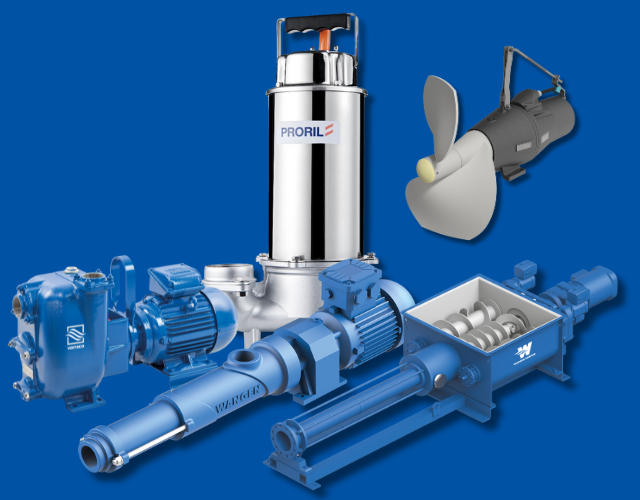
We supply a diverse range of industrial wastewater pumps and stirrers designed to tackle everything from light process water to thick sludge and fibrous waste. With options including submersible and surface-mounted pumps, cutters, and stirrers, we’ll help you find the right fit for your plant.
Tailored pumping solutions
Our Industrial Team are industry-trained and offer in-depth knowledge of industrial pumps and systems. Choose from our extensive range of:
- Self-Priming Centrifugal pumps – High-flow solutions for process wastewater transfer.
- Diaphragm pumps – For abrasive or chemically aggressive wastewater.
- Submersible pumps – For wastewater pits, sumps, and direct tank installations.
- Progressive cavity pumps – Easily convey thick sludge and viscous waste.
- Stirrers – Keep solids in suspension.
Genuine parts & sound advice
We supply genuine parts for the pump brands we carry, with stock of common wear parts held locally in New Zealand. Our dedicated Industrial team works closely with supply partners to ensure we provide the right parts and expert advice.
- Genuine parts for reliability and performance
- Stock held in NZ for fast delivery
- Maintenance advice tailored to your needs
- Servicing on request to keep your equipment running smoothly
We’re committed to keeping your pumps in top condition.
.webp)
Overview of our Wastewater Pumps
Submersible wastewater and sewage pumps use channel, vortex and cutter impellers to handle solids and fibrous material across industrial duties.
- Max flow: 6,600m³/hr
- Max head: 70m
- Max solids handling: up to 100mm
- Materials: cast iron
Tsurumi aerators provide oxygen transfer and circulation to support solids suspension and biological treatment in wastewater and process water.
- Max air flow rate: 528m3/hr
- Max water depth: up to 6m
- Power: 0.75-40kW
- Air inlet bore: 25-150mm
Portable solids-handling pumps for rapid deployment in demanding slurry and wastewater jobs.
- Discharge sizes: 50-80mm
- Max flow: 24.6L/s
- Max head: 17.7m
- Double mechanical seals
Dry or submerged pumps for wastewater jobs needing clean installs, cooling, and easy access.
- Discharge sizes: up to 700mm
- Max flow: 3,000L/s
- Max head: 90m
- Closed-loop cooling
Dry-installed pumps for plant or station use with flexible horizontal or vertical mounting options.
- Discharge sizes: 32-700mm
- Max flow: 3,000L/s
- Max head: 90m
- Horizontal or vertical mounting
Self-cleaning sump solution for wastewater stations and shafts with floating and settled solids.
- Discharge sizes: 50-200mm
- Max flow: 180L/s
- Max head: 60m
- Automatic clog detection
External tank mixing for sludge tanks and digesters, tailored with no in-tank moving parts.
- Discharge sizes: 100-300mm
- Max flow: 300L/s
- Max head: 11m
- Multiple configurations
Air-operated double diaphragm (AODD) pumps handle challenging fluids with air-powered operation. Choose for chemicals, viscous liquids, solids and shear-sensitive products. Self-priming, dry-running, and easy to maintain.
- Max flow: 1,136L/min
- Max pressure: 8bar
- Max solids: 46mm
- Stainless steel | Aluminium | PP | PVDF | PTFE
Electric Double Diaphragm (EODD) pumps combine diaphragm versatility with lower energy use and greater process control. Suit chemical handling, dosing and automated operations.
- Max flow: 454L/min
- Max pressure: 7bar
- Aluminium | Stainless steel | PP | PVDF
Ideal for handling tough wastewater applications with high dry solids content, ensuring reliable and robust performance.
- Power: 1.5 to 18.5 kW
- Long service intervals
- Heavy-duty construction
- Strong, user-friendly mounting brackets
LJM stirrers are designed for optimal wastewater treatment, preventing sedimentation and ensuring efficient media movement.
- Power: 1.5 to 18.5kW
- Self-cleaning propeller
- Low energy consumption
- Heavy-duty cast structures
Caffini pumps designed for high flow, low pressure situations where transfer of thick slurries is required.
- Size: 50mm - 152mm
- Max Flow: 830L/min
- Max Head: 15m
- Max Solids: 60mm
Caffini pumps designed for high flow, low pressure situations where transfer of thick slurries is required.
- Size: 50mm - 102mm
- Max flow: 520L/min
- Max head: 15m
- Max Solids: 60mm
Wangen produces an extensive range of hopper feed pumps for slurries and pastes with high solids content (KL-R Series) and dewatered sludge (KL-RU, KL-RQ, KL-RS and KL-R Triplex models).
- Max flow: 560m3/hr
- Max pressure: 48 bar
- Max solids: 45%
- For extremely dry or lumpy material
- Max flow: 102m³/hr
- Max pressure: 6 Bar
- Max Dry Solids: 8%
- Compact and designed for hard to access locations
Corrosion-resistant, durable submersibles used to transfer clean or slightly contaminated water up to 40 degrees.
- Size: 50mm – 76mm (2”-3”)
- Max flow: 11L/s
- Max head: 20m
- Max solids: 40mm
Wangen's KL-S, KB-S and KB22S self-priming progressive cavity pumps convey high viscous media up to 200,000 mPA-s, with or without solids. The KB22S is designed specifically for dosing.
- Max Flow: 560 m3/hr
- Max Pressure: 48 bar
- Materials: S/steel, cast iron
The Hyline Series by Wangen features flexible and maintenance-free joints, and sedimentation-free design. Convey or dose food and beverages, cosmetics and pharmaceuticals.
- Max flow: 7m3/hr
- Max pressure: 20 bar
- Max solids: 26mm
The AM Series bronze, self-priming centrifugal pumps have a double volute body. Use for bilge, deckwash, fire prevention or ballast.
- Max flow: 100m3/hr
- Max head: 79m
Varisco J-Series pumps suit applications that require fast priming from demanding suction heights, and the ability to manage polluted waste and abrasive fluids with suspended solids.
- Max flow: 1200m3/hr
- Max head: 110m
- Max solids: 76mm
- Self-priming: up to 7.5m
SolidsPro submersible mixers keep solids suspended in wastewater or effluent slurries for pumping, treatment or storage.
- Speed: 750-1,450rpm
- Power: 0.6-5.3kW
- Reaction thrust: 78-830N
- Propeller diameter: 128-400mm
- Materials: cast iron with 316 stainless steel propeller
Engineered to resist clogging SolidsPro submersibles feature recessed impellers with large free passage. Ideal for pumping large volumes of waste fluids with solids or particles.
- Max flow: 103m3/hr
- Max head: 20m
- Max solids: 80mm
- Double mechanical seal in oil bath
Wangen KL-T Series Progressive Cavity Immersion pumps safely convey media from tanks and pools with high metering accuracy even at low rpm.
- Max Flow: 102m3/hr
- Max Pressure: 6 bar
- Max viscosity: 200,000 mPA-s
- Max Dry Solids: 16%
Prime Fluid Management supplies genuine parts for our pump brands, holding stock of common wear parts in New Zealand.
- Genuine parts
- Stock held in NZ
- Maintenance advice
- Servicing on request
Salvatore Robuschi end suction pumps offer multiple impeller options for clean, contaminated, solids-containing and gas-entrained industrial fluids.
- Max flow: 3,100m3/hr
- Max head: 140m
- Max solids passage: 150mm
- Impeller types: closed | open| vortex | channel
Albin peristaltic pumps provide contained, low-shear pumping for abrasive, viscous and chemically aggressive fluids – with dry-run capability and easy hose replacement.
- Max flow: 150m3/hr
- Max pressure: 15 bar
- Max viscosity: 60,000cP
- Hose material: NR | NBR | EPDM | Viton | Hypalon | NR FDA | NBR FDA
Gorman-Rupp trash pumps handle wastewater, sewage and solids-laden liquids – with automatic self-priming and service-friendly access for demanding pumping duties.
- Max flow: 770m3/hr
- Max head: 63m
- Max solids handling: 76mm
- Materials: cast iron | G-R hard iron | stainless steel | CD4MCu
Doseuro tank-mounted mixers offer high and low speed configurations for blending and process mixing across industrial applications.
- Motor power: up to 15kW
- Tank size: up to 40,000L
- Viscosity range: up to 5,000cP
Questions? Specs? Talk to one of our Industrial Specialists today.
In the field
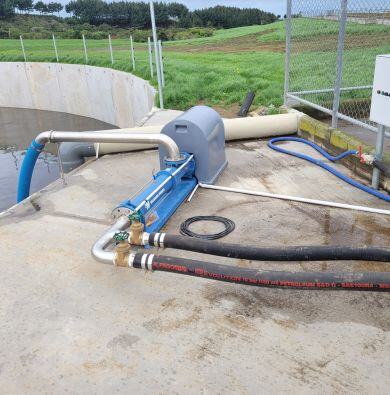
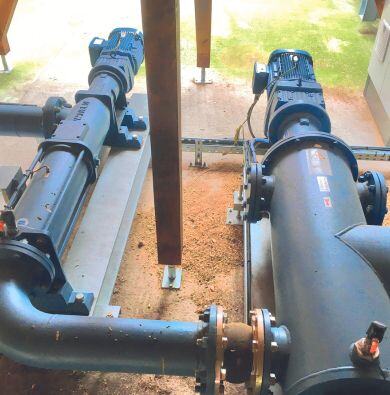
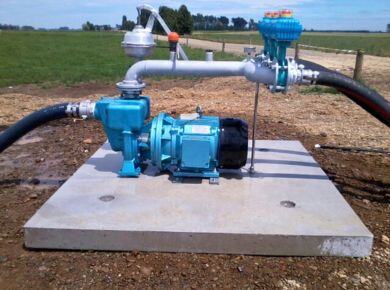
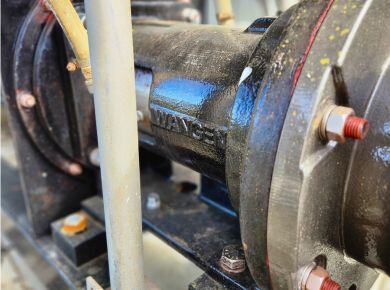
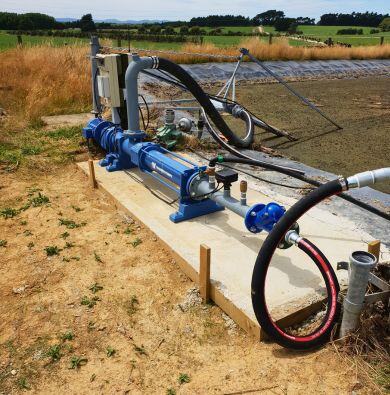
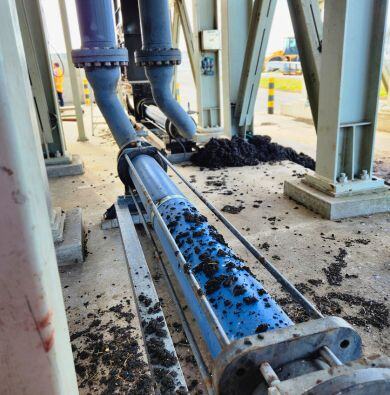
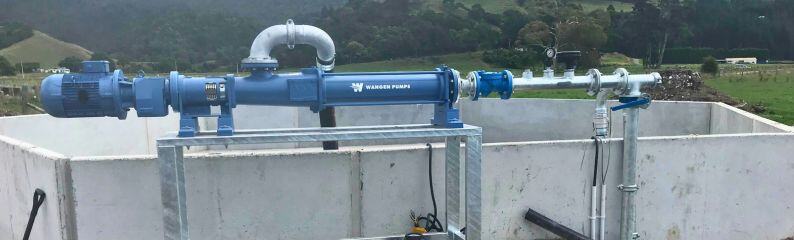
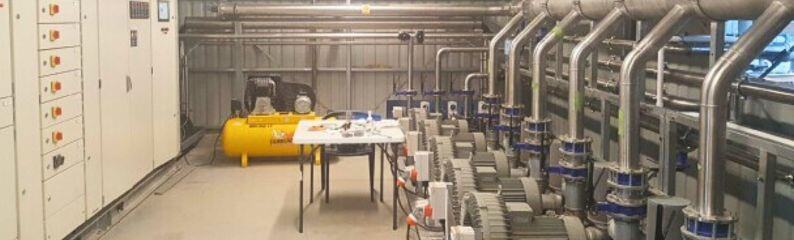
Here are some examples of our solutions being used.