Skip to content
1920x1080_Stormwater-Page_ Banner

Stormwater

Supporting more resilient flood control and flood response with low-footprint infrastructure and rapid response pumps.

Improving flood resilience.

We want to see less damage to our communities and our livelihoods when heavy rains fall.


In the short-term, we provide equipment to local and regional councils for rapid flood response. When council assets are not enough, our hire team mobilises to provide 24/7 support. 

Longer term, we supply local and regional stormwater engineers with large-scale, low-emission flood control solutions pumps as part of region-wide stormwater infrastructure development. 


Prime supports stormwater solutions for planned infrastructure and urgent flood response – including pump station infrastructure and mobile flood equipment.

INFRASTRUCTURE

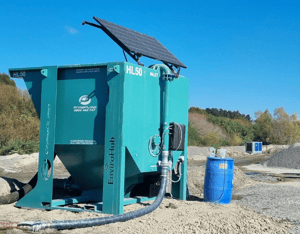
Pump Stations

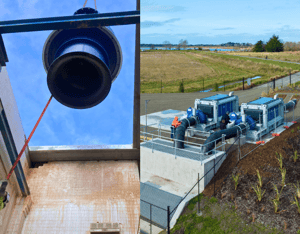
Surface-mounted and submersible pump station solutions for improved flood resilience and reduced harm to aquatic life.

Pump stations support stormwater management where gravity drainage isn’t enough – or where flood control needs to be built.

Setup depends on site layout, expected flows, discharge point, and surrounding environment. If aquatic life are part of site conditions consider fish-friendly design.
640x500_FI_stormwater_pump-station-solutions_prime-fluid-management
Equipment

Emergency Flood Response

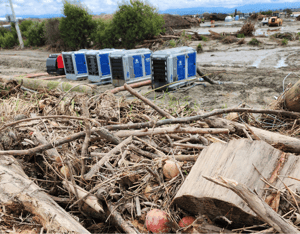
Mobile solutions for rapid response to major weather events and system failures

When heavy rain overwhelms existing assets, time matters. Emergency flood response gets the right equipment into position quickly – then matching capacity, access, discharge distance & available power to conditions on site

For stopbank over-pumping & non-draining floodwaters, temporary capacity can keep fluid moving.
640x500_PFM_FI_flood-resopnse_2
OUR PROCESS

The PRIME Project Delivery Pathway

Discover@3x
Discover
We take a take time to understand your project and to gain a solid understanding your goals, drivers and constraints.
Design@3x
Design
Every client, site and project is unique. We focus on the solution that will perform best in all scenarios across the intended lifetime of your project.
Deliver@3x
Deliver
Once approved, we deliver. Depending on project or product requirements this may include install,  commissioning, and on-site training.
Support
Support
We are here if you need us. Whether you need parts, repairs, or further support we work fast to limit downtime on site.
Gallery

In the Field

See the Prime Fluid Management team in action below
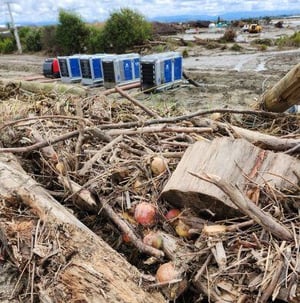
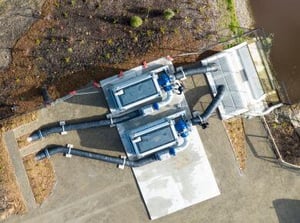
PrimeFluidManagement-stormwater-BBA-NZ_390x395_BB3
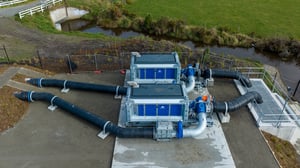
Emergency Flood Response, Hawke's Bay
PrimeFluidManagement-stormwater-BBA-NZ_390x290_BB2
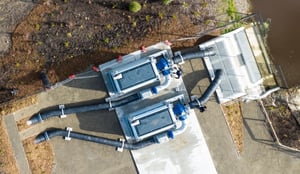
Stormwater Solutions, North Canterbury
PrimeFluidManagement-stormwater-BBA-NZ_390x395_BB1-a
Emergency Flood Response, Hawke's Bay
PrimeFluidManagement-stormwater-BBA-NZ_794x240_BB4
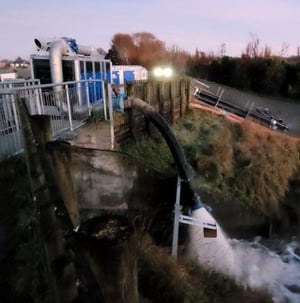
Overpumping, Hawke's Bay
PrimeFluidManagement-stormwater-BBA-NZ_390x395_BB1
Emergency Flood Response, Hawke's Bay

Get in touch

Questions? Looking for detail? Drop us a line. We’ll get right back to you.
Questions

FAQ

At Prime Fluid Management, we understand that every site brings unique considerations. Here, you’ll find clear, practical answers and expert guidance to help you maximise uptime, achieve regulatory compliance, extend equipment life, and implement the most effective solution for your site.

What should stormwater solutions consider first?
Start with the site conditions – where the inflow is coming from, how quickly stormwater is building, where it needs to discharge, and what happens if the network can’t keep up. This helps determine whether the job needs long-term flood control infrastructure, temporary pumping support, or both.
What can make a stormwater system fall behind during heavy rain?
Stormwater systems fall behind when inflow builds faster than the network can move or discharge it. On site, this can show up as backed-up drainage, non-draining floodwater, pressure on existing assets or water moving where it should not. The right response depends on where the restriction is and how quickly conditions are changing.
What should be considered before choosing a temporary stormwater setup?
A temporary setup should match the conditions on site – not just the amount of water visible at the surface. Access, suction conditions, discharge distance, available power, run time and expected weather changes all affect what equipment is suitable.
What information helps narrow down stormwater management solutions?
The most useful details include expected inflow, discharge location, site access, available space, power supply, run time, waterway or aquatic-life considerations, and whether the issue is planned infrastructure or urgent response. Confirm early if the problem involves non-draining floodwater, system failure or overpumping – as these details can change what temporary capacity or equipment is needed.
Are stormwater runoff problems and solutions always the same?
No. Runoff problems can come from heavy rain, limited drainage capacity, difficult discharge points, changing site conditions or existing assets that can’t keep up. The right response depends on what the stormwater is doing – and whether the priority is flood control, temporary response, drainage support or longer-term resilience.ment is needed.