Wastewater Treatment
Reduce Maintenance
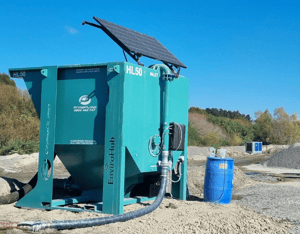
Prime Fluid Management supplies submersible extraction pumps and stirrers for primary wastewater treatment, and progressive cavity positive displacement pumps for primary and dewatered sludge transfer.
Our specialist industrial teams work with engineering consultants and plant staff to provide pumps that meet performance and maintenance criteria.
.png?width=300&name=1290x590_CWI_wastewater-treatment_dewatered-sludge%20(1).png)
Wastewater Treatment Applications
FAQ
At Prime Fluid Management, we understand that every site brings unique considerations. Here, you’ll find clear, practical answers and expert guidance to help you maximise uptime, achieve regulatory compliance, extend equipment life, and implement the most effective solution for your site.
Wastewater treatment is the process of removing contaminants from wastewater before it’s discharged or reused. It usually involves several stages, such as screening, primary treatment, biological processing and clarification.
Prime supports this process with pumping and aeration solutions for wastewater treatment and transfer – including submersible extraction pumps, stirrers and progressive cavity positive displacement pumps for primary wastewater treatment and sludge transfer.
Wastewater treatment can involve submersible extraction pumps, stirrers, progressive cavity pumps, mixers and aeration equipment for wastewater and sludge transfer.
The right equipment depends on the treatment stage, the fluid and solids content, required flow, operating conditions and maintenance access.
A wastewater pump station moves sewage through the network when gravity flow isn’t sufficient. A wastewater treatment plant receives wastewater and processes it before discharge or reuse.
Pump stations are commonly designed around variable inflow, solids handling, blockage risk and service access. Treatment plants also require equipment for sludge transfer, tank mixing, aeration and process support.
Find out more about wastewater treatment plants and wastewater pump stations.
Pump selection should account for the fluid, solids content, viscosity, rag and fibre content, required flow and pressure, operating hours and installation arrangement..
Also consider maintenance access, blockage risk, wear, energy use and the consequences of downtime. The best pump isn’t simply the one that meets the duty point – it also needs to perform reliably under changing operating conditions.
Maintenance issues often occur when pumps, stirrers and transfer equipment aren’t matched to the wastewater, sludge or operating conditions.
The right pump, stirrer or transfer setup can help reduce wear, callouts and downtime – especially where solids, sludge or changing inflow are part of the job.