/Logo/Prime_logo_web_colour.svg)
/Logo/Prime_logo_web_white.svg)
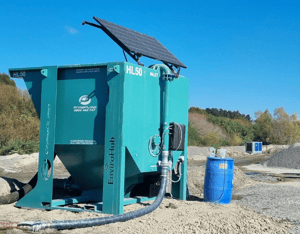


A critical sewer doesn’t stop because repair work starts.
When relining works are staged across a live trunk main, the temporary bypass needs to keep flow moving safely as the project progresses.
The client
Pipeworks
The project
The Western Trunk Sewer Main is a critical wastewater pipeline running down the western side of the Hutt Valley – including sections near and under State Highway 2.
-
Main contractor: Reline the pipeline to extend its working life without open trenching or major disruption to the surrounding environment.
-
Fluid Management: Safe sewer bypass pumping to temporarily divert live sewer flows around each section of pipeline being relined.
Planning a challenging bypass job? Get in touch today about keeping sewer flows moving safely.
The challenge
-
Keep the sewer network operating without incident.
-
Maintain flow while each section of the trunk main was prepared, relined and returned to service, working around flow requirements, access points and site constraints and public access.
-
During stage three, the work became higher risk, with the bypass operating in the stop bank beside the river.

Stage three placed the bypass in a higher-risk riverside environment
The solution
Prime configured a temporary sewer bypass setup around the conditions of each stage.
The priority was keeping the network operating safely – maintaining flow 24/7, building in redundancy and giving the client confidence while relining works continued.
| Stage | Bypass Length | Flow Rate |
| Stage one | 900m | 400L/s |
| Stage two | 850m | 400L/s |
| Stage three | 450m | 400L/s |
BBA BA180 pumps provided the pumping capacity, with two duty pumps and two pumps held on standby for 100% redundancy.
That solution included:
-
Automatic response – high-level alarms to activate the standby pumps if needed
-
Remote monitoring – visibility of pump performance while operating
-
Backup fuel capacity – supporting 24/7 operation if site access became difficult
-
A 24-hour trial run – confirming the setup could handle live flow.
A new outlet valve was also trialled to make drainage, cleaning and maintenance easier on site.

100% redundancy – with duty and standby pumps ready to keep flow moving
The outcome
The bypass did what it needed to do – it kept the sewer network operating safely while relining works continued.
Across the completed stages, the setup delivered:
-
Zero spills
-
Zero stoppages
-
Zero downtime.
With a responsive team in place, clear monitoring and no bypass failures, Pipeworks had confidence that flow was well managed and the surrounding environment was protected.
The result was less uncertainty on a high-consequence job – and a temporary bypass setup the client could trust through later stages.

Hands-on support helped keep the bypass running 24/7
Want the practical breakdown? Read more about temporary sewer bypass pumping and what makes a bypass reliable.