Skip to content

Industrial Vacuum & Blowing

Trusted solutions for air and gas movement in industrial processes.

    Improve system efficiency.

    Prime Fluid Management supplies industrial vacuum pumps and blowers from trusted suppliers for a range of applications. Our offering includes side channel blowers, liquid ring vacuum pumps and liquid ring compressors, ideal for handling a variety gas and air requirements. Our experienced team can help you choose the right equipment for your plant, whether it is for packaging, chemical processing, or material handling.
    Specification

    Choosing the right product

    Factors to consider when selecting a vacuum pump, from application needs to environmental conditions:

    • Desired vacuum level
    • Flow rate or evacuation time and vessel size
    • What is being degassed, process, moisture, temperature, corrosion

    Choosing the right product
    Lifetime Economy

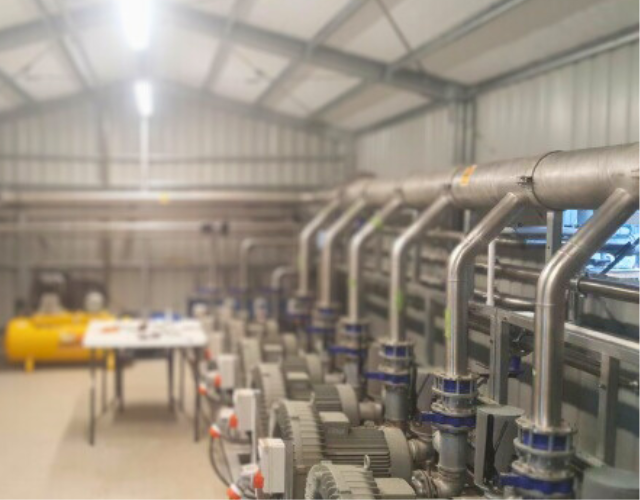
    Low wear, low maintenance

    At Prime Fluid Management we source products for their efficiency of performance AND design. Our vacuum and blowing products require little maintenance, with bearings being the only common wear part. We hold stocks of these bearings at our Parts Store in Greymouth. 
    Low wear, low maintenance

    Overview of our Industrial Vacuum & Blowing

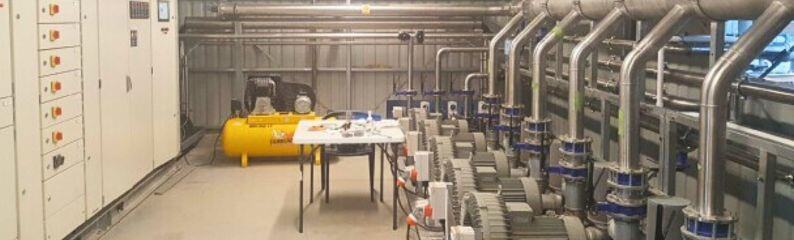
    Dargang Industrial Side Channel Blowers

    Ideal for continuous operation, Dargang Side Channel Blowers provide reliable, oil-free movement of air or gas, where low-noise, low-maintenance, high-efficiency operation is desired.

    • Max airflow: 4.4m3/min
    • Noise: 52 - 73dB 
    • Max vacuum: -250mbar 
    • Max compression: +260mbar
    Sihi Single Stage Liquid Ring Vacuum Pumps

    Bareshaft (LOH/ LEH/LPH-X) and close-coupled (LEM/LEL) displacement pumps for the handling and exhausting of dry or humid gases, or entrained liquid during normal duty.

    • Consistent vacuum performance
    • Simple, robust design
    • Oil-free operation
    • Use for: chemical processing, food production, pharmaceuticals

    Sihi KPH Liquid Ring Vacuum Pumps

    Built for heavy-duty industrial applications, SIHI KPH liquid ring vacuum pumps deliver High-capacity vacuum generation for demanding processes.

    • Energy-efficient operation
    • Durable construction
    • Ideal for large-scale processing
    Sihi Two-stage Liquid Ring Vacuum Pumps

    Uncomplicated and robust displacement pumps, the Sihi LOH, LPHX and LPHC series will handle nearly any gas or vapour in food production, extrusion, petrochemical and environmental applications.

    • Low maintenance, low noise, very-low vibration
    • Handles liquid “carry over”
    • Materials: cast iron, stainless steel 
    Travaini TRH Liquid Ring Vacuum Pumps & Compressors

    Two-stage liquid ring vacuum pumps for high vacuum. Robust construction with reduced shaft length for reduced vibration. Capable of handling high volumes of vapours, condensibles and liquids without compromising performance. 

    • Max Capacity: 3,500m3/h
    • Max vacuum: 33 mbar
    • Available in special materials incl. Ni-resist D28, Hastelloy B or C


    Travaini TRM/TRV Single-Stage liquid ring vacuum pumps

    Travaini TRMX vacuum pumps are compact, single-stage liquid ring vacuum pumps, offering high efficiency, reduced operational costs, and enhanced reliability through features like an anti-cavitation system, reduced sealing liquid consumption, and a monoblock design for easy installation and maintenance.

    • Close-coupled electric 
    • Max capacity: 2000m3/hr
    • Max Vacuum: 33mbar
    • Compact design
    Travaini TRS Liquid Ring Vacuum Pumps & Compressors

    Single-stage liquid ring vacuum pumps for low and mid vacuum. Robust construction with reduced shaft length for reduced vibration. Capable of handling high volumes of vapours, condensibles and liquids without compromising performance. 

    • Max Capacity: 3,500m3/h
    • Max vacuum: 150 mbar
    • Available in special materials incl. Ni-resist D28, Hastelloy B or C


    Industrial Pumps Servicing & Parts 

    Prime Fluid Management supplies genuine parts for our pump brands, holding stock of common wear parts in New Zealand.

    • Genuine parts
    • Stock held in NZ
    • Maintenance advice
    • Servicing on request
    GALLERY

    In the field

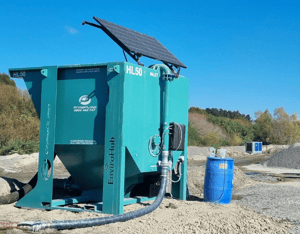
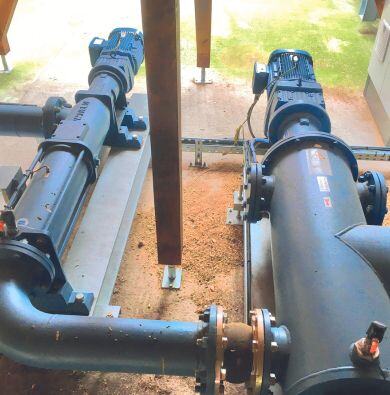
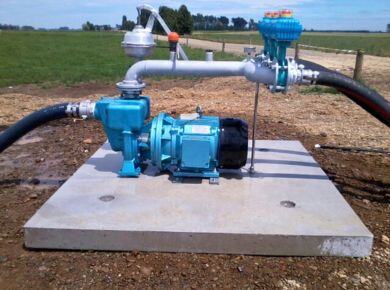
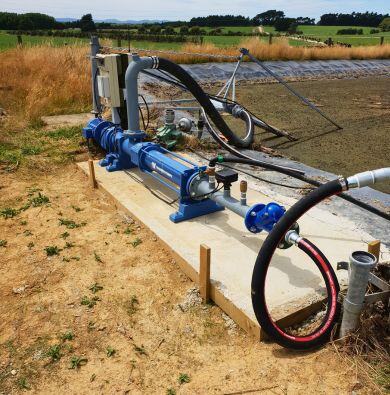
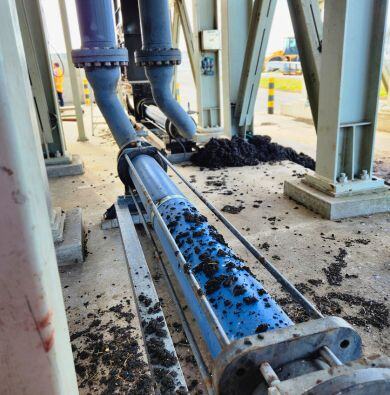
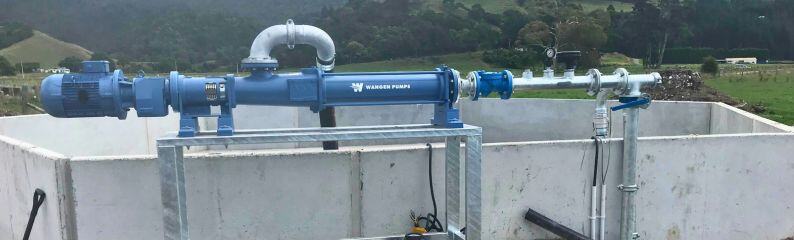
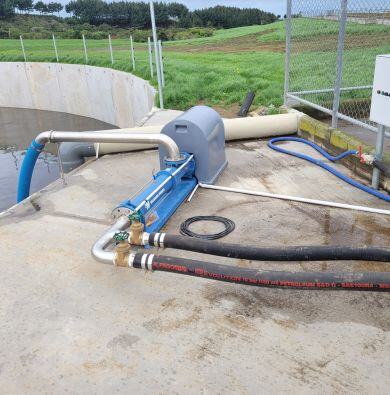
    Here are some examples of our solutions being used.
    Read Dewatering, Bypass & Sewage articles

    Download the Civil, Quarrying & Mining Product Guide 2026

    See other Dewatering, Bypass & Sewage Pumps

    They brought their mechanics, they didn't just dump it and leave….couldn't have done it without them to be honest

    Mark CadwalladerCatchment Worker

    This sort of unique system you set up is what sets you apart from others in the Market

    Jacob Warmsley Project Manager

    I had an amazing experience with Prime Pump at the Transmission Gully ... will recommend you guys anytime and anywhere.

    Peter FisherDirector

    You guys had our backs from the get-go and stood beside us and persevered.

    DaveOps Director

    We called for a different type of solution…... We were pretty happy with what's been delivered

    Rob KerrProject Director

    Prime supplied us with the best solution for hire and the instant availability was what we needed… We certainly will be using them in the future

    Priscilla EllmersWastewater Supervisor

    Make an enquiry

    Let’s sort your fluid management needs 
    Speak to an expert

    Questions

    FAQ

    At Prime Fluid Management, we understand that every fluid management challenge brings unique considerations. Here, you’ll find clear, practical answers and expert guidance to help you maximise uptime, achieve regulatory compliance, extend equipment life, and implement the most effective solution for your site. 

    Is an auto-prime pump the same as a “dry prime” or dry-prime dewatering pump?

    On a lot of drawings and pump schedules, dry-prime pump or dry-prime dewatering pump is used as shorthand for a surface pump that can handle air and doesn’t need manual priming. In practice, the auto-prime units that Prime Fluid supplies are vacuum-assisted pumps with a dedicated priming system, so they meet the intent of most “dry prime” specs while giving you a modern, quieter and more efficient package.

    When would I use auto-prime dewatering pumps instead of a self-priming dewatering pump or submersible?

    Auto-prime units are usually the better option when the pump has to sit above the water, suction conditions might change, or you expect a lot of air to enter the line during setup and operation. A self-priming dewatering pump or submersible can still be the right choice on simpler, more static jobs, and Prime can talk you through which option will be more reliable and cost-effective for your site.

    Do you supply diesel dewatering pumps and can they be automated?

    Yes – Prime can supply auto-prime packages as diesel dewatering pump sets or electric sets, depending on what power you have available and how the system will run. With the right control panel and level sensors, those same units can be configured as an automated pump or “auto water pump” that starts and stops itself, which is helpful on remote or 24/7 sites where you don’t want someone constantly watching the pump.

    Can Auto-prime Pumps be used for flood control and emergency response?

    Auto-prime units are a good fit for temporary flood control pumps because they can be moved quickly, cope with long suction and discharge lines, and re-prime themselves as water levels change. Prime Fluid can set up high-flow Auto-prime Pump solutions for New Zealand councils and contractors that form part of a wider flood or stormwater contingency plan.

    What information do you need to size the right Auto-Prime Pump in New Zealand?

    To match an Auto-Prime Pump New Zealand job, one of our  sales engineers will usually ask for your required flow, total dynamic head, suction depth, discharge route, expected solids size and how long the pump needs to run. If your documents mention terms like autoprime dewatering pumps, auto vacuum pump or use a generic “dry prime” note, sending those details through with a simple sketch of the setup helps the team recommend the most suitable package for your project.