Skip to content

Sludge & Slurry Submersible Pumps

Optimise resource and minimise handling and movement of your sludge and slurry.

    Your pit dewatering could do better.

    Sludge and slurry submersible pumps are specialised pumps built to withstand highly abrasive fluids. They are constructed from hard metals and abrasion-resistant linings, with added features to prevent obstruction, overheating, and excessive wear.

    These pumps are ideal for moving thick, solid-laden liquids such as wastewater and sludge from ponds, tanks, or treatment facilities. Whether you're managing water transfer on a construction site, cleaning out a sediment-filled pond, or handling industrial wastewater, submersible sludge pumps offer a reliable and portable solution.

    Avalible for both hire and sale across New Zealand, these pumps are commonly used for dewatering, desludging, and transferring heavy liquids where durability and efficiency are critical. 

    SYSTEM DESIGN

    Identify your performance drains

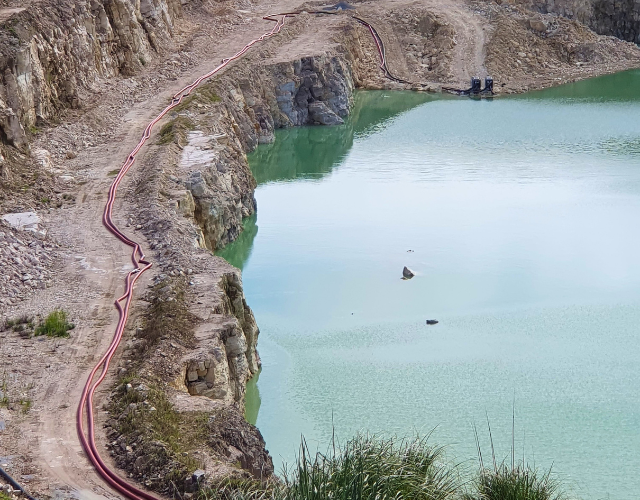
    You know your quarry. We know our products. Together, we can identify performance drains and problem products that are hindering maximum productivity.
    At Prime Fluid Management, productivity assessments are a first step in our solutions pathway.
    Identify your performance drains
    NEW TECHNOLOGY

    Working smarter

    At Prime Fluid management we are look for technological advances in our products – design, engineering and connectivity features that will help you to: 
    • Optimise resource 
    • Minimise handling and movement
    • Improve operational safety
    • Meet discharge and environmental obligations
    • Reduce extraction costs
    Working smarter

    Overview of our Sludge & Slurry Submersible Pumps | NZ

    Grindex Sludge Pumps

    The Solid, Salvador, Senior and Sandy models, designed for continuous, unattended operation where reliability is critical and solids content is high.

    • Size: 50mm – 100mm (2” – 4”)
    • Max flow: 24L/s
    • Max head: 38mwc
    • Max solids: 80mm
    Grindex Slurry Pumps

    Constructed for maximum wear-resistance, the Grindex Bravo range handles highly abrasive liquids with a pH tolerance of 5.5 – 14. Agitators are built-in in some models.

    • Size: 100mm – 150mm (4” – 6”)
    • Max flow: 130L/s
    • Max head: 45mwc
    • Max solids: 40 mm
    Proril Sand & Slurry Pumps

    A rugged and cost-effective solution the Proril Stormy series feature high chrome impellers, agitators and wear plates to withstand tough slurry transportation.

    • Size: 75mm – 200mm (3” – 8”)
    • Max flow: 110L/s
    • Max head: 30mwc
    • Max solids: 40mm
    Heavy-duty Electric Dredge Pumps Move large volumes of abrasive materials without clogging or excessive wear. Available with advanced control panels for remote monitoring.

    • Size: 75mm – 300mm (3”-12”)
    • Max flow: 50,000 L/min
    • Max head: 120m
    • Solids: 120mm
    Hydraulic Dredge Pumps

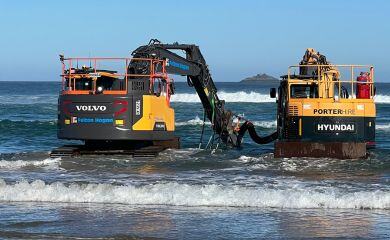
    Suited to high head and heavy dewatering, dam or pond cleaning, extraction and coastal protection.
    Significant economy over traditional methods.

    • Size: 100mm – 350mm (4”-14”)
    • Max flow: 66,700 L/min
    • Max head: 68m
    • Solids: 120mm


    Grindex Stainless Sludge Submersibles VHandling pH 2 -10, and solids up to 10mm, Grindex INOX stainless steel submersibles handle corrosive dewatering environments.
    Constructed from AISI 316 stainless steel.
    • Size: 2” – 6”
    • Max flow: 130L/s
    • Max head: 200m
    • Solids: 80mm
    Proril Stainless Submersibles The Proril X-Smart and X-Vox ranges feature corrosion-resistant impellers with large free passage.
    Contact areas are constructed from 304 or 316 stainless steel.
    • Size: 2” (50mm)
    • Max flow: 43m3/h
    • Max head: 18mwc
    • Solids: 40mm
    GALLERY

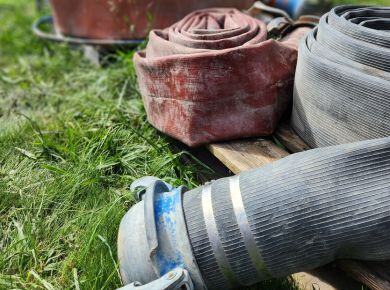
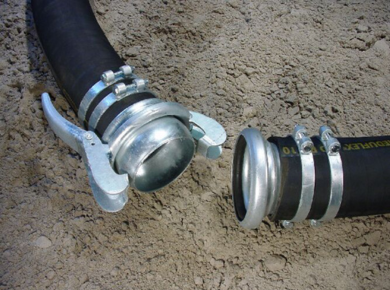
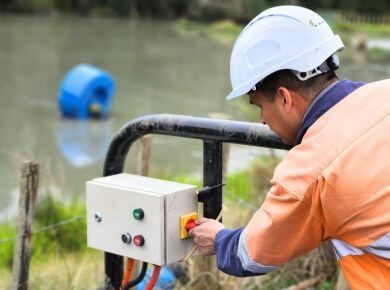
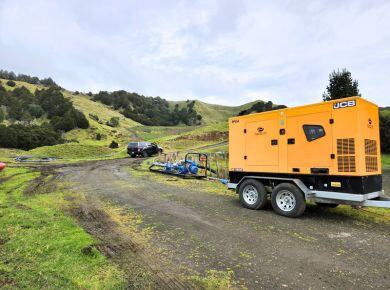
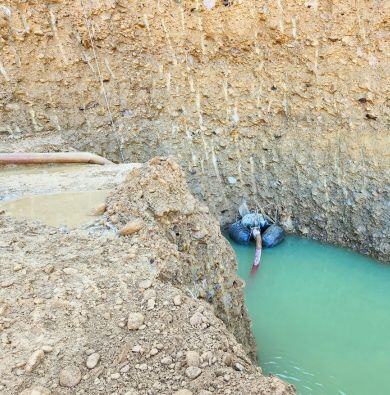
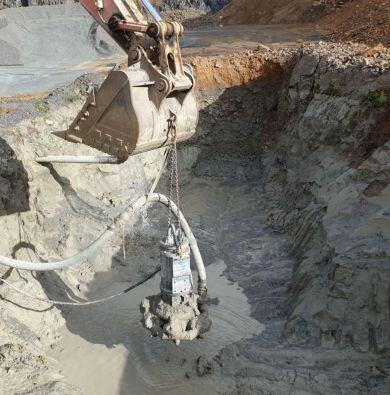
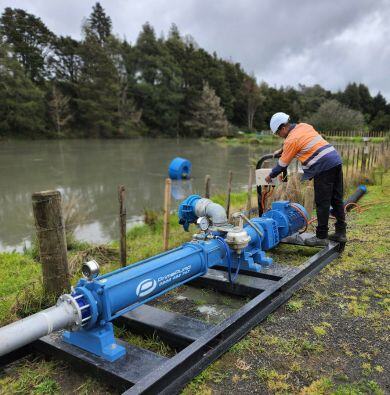
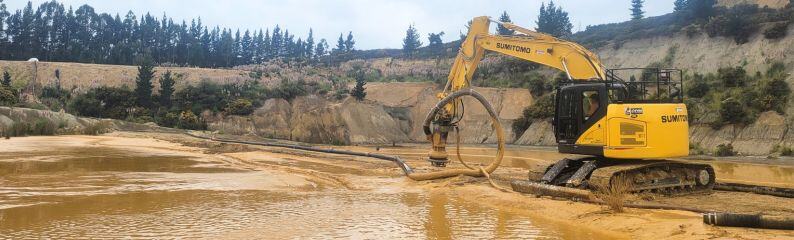
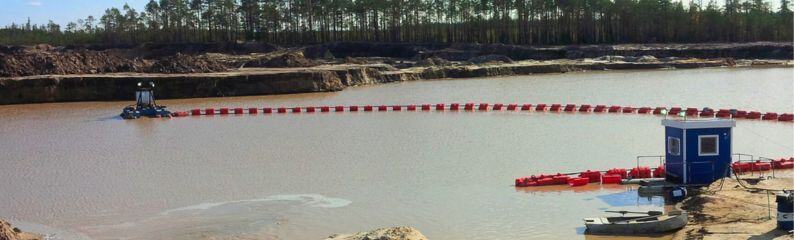
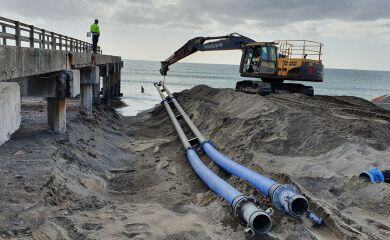
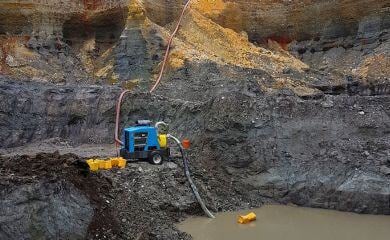
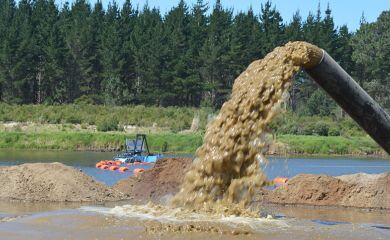
    In the field

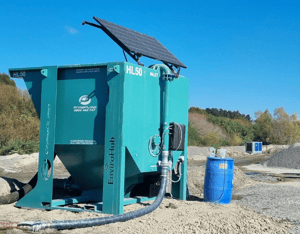
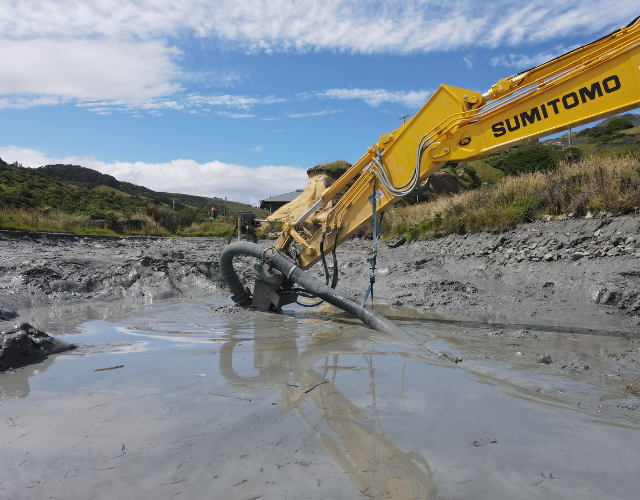
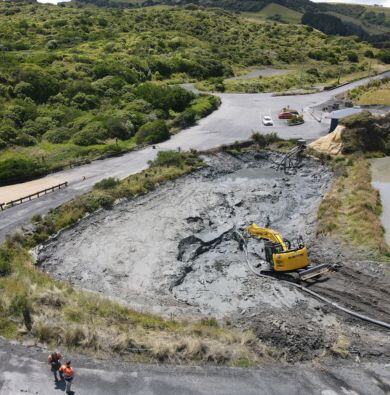
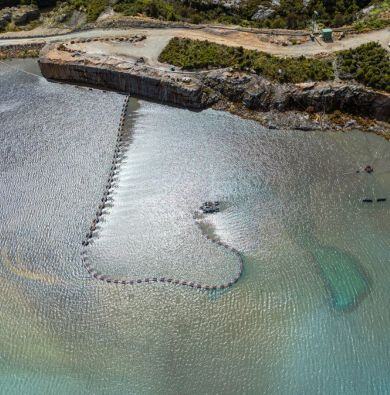
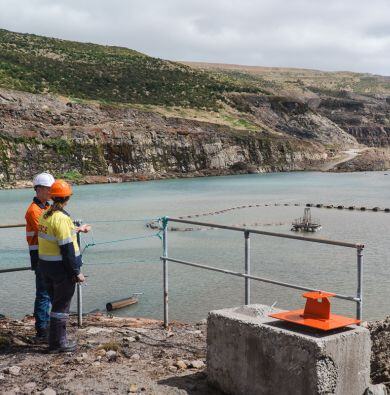
    Here are some examples of our solutions being used.
    Read Dewatering, Bypass & Sewage articles

    Download the Civil, Quarrying & Mining Product Guide 2026

    See other Dewatering, Bypass & Sewage Pumps

    They brought their mechanics, they didn't just dump it and leave….couldn't have done it without them to be honest

    Mark CadwalladerCatchment Worker

    This sort of unique system you set up is what sets you apart from others in the Market

    Jacob Warmsley Project Manager

    I had an amazing experience with Prime Pump at the Transmission Gully ... will recommend you guys anytime and anywhere.

    Peter FisherDirector

    You guys had our backs from the get-go and stood beside us and persevered.

    DaveOps Director

    We called for a different type of solution…... We were pretty happy with what's been delivered

    Rob KerrProject Director

    Prime supplied us with the best solution for hire and the instant availability was what we needed… We certainly will be using them in the future

    Priscilla EllmersWastewater Supervisor

    Make an enquiry

    Let’s sort your fluid management needs 
    Speak to an expert

    Ricardo Holt

    Ricardo Holt
    Sales Team Leader

    Gerhard Rudolph

    Gerhard Rudolph
    Hire Account Management

    Duncan Moore

    Duncan Moore
    Sales Engineer

    Questions

    FAQ

    At Prime Fluid Management, we understand that every fluid management challenge brings unique considerations. Here, you’ll find clear, practical answers and expert guidance to help you maximise uptime, achieve regulatory compliance, extend equipment life, and implement the most effective solution for your site. 

    Is an auto-prime pump the same as a “dry prime” or dry-prime dewatering pump?

    On a lot of drawings and pump schedules, dry-prime pump or dry-prime dewatering pump is used as shorthand for a surface pump that can handle air and doesn’t need manual priming. In practice, the auto-prime units that Prime Fluid supplies are vacuum-assisted pumps with a dedicated priming system, so they meet the intent of most “dry prime” specs while giving you a modern, quieter and more efficient package.

    When would I use auto-prime dewatering pumps instead of a self-priming dewatering pump or submersible?

    Auto-prime units are usually the better option when the pump has to sit above the water, suction conditions might change, or you expect a lot of air to enter the line during setup and operation. A self-priming dewatering pump or submersible can still be the right choice on simpler, more static jobs, and Prime can talk you through which option will be more reliable and cost-effective for your site.

    Do you supply diesel dewatering pumps and can they be automated?

    Yes – Prime can supply auto-prime packages as diesel dewatering pump sets or electric sets, depending on what power you have available and how the system will run. With the right control panel and level sensors, those same units can be configured as an automated pump or “auto water pump” that starts and stops itself, which is helpful on remote or 24/7 sites where you don’t want someone constantly watching the pump.

    Can Auto-prime Pumps be used for flood control and emergency response?

    Auto-prime units are a good fit for temporary flood control pumps because they can be moved quickly, cope with long suction and discharge lines, and re-prime themselves as water levels change. Prime Fluid can set up high-flow Auto-prime Pump solutions for New Zealand councils and contractors that form part of a wider flood or stormwater contingency plan.

    What information do you need to size the right Auto-Prime Pump in New Zealand?

    To match an Auto-Prime Pump New Zealand job, one of our  sales engineers will usually ask for your required flow, total dynamic head, suction depth, discharge route, expected solids size and how long the pump needs to run. If your documents mention terms like autoprime dewatering pumps, auto vacuum pump or use a generic “dry prime” note, sending those details through with a simple sketch of the setup helps the team recommend the most suitable package for your project.