Skip to content

Dredge pumps

Improve maintenance and extraction efficiency with Dragflow dredge pumps.

    Better for your bottom line.

    Getting your sludge and slurry flowing smoothly has significant financial upsides. The Prime Fluid Management team has been improving pond maintenance and extraction efficiency for customers for more than 20 years. Dragflow dredge pumps and mini dredges are a key part of our solutions. Their innovation in portable dredge technology makes them a natural fit for New Zealand’s challenging and often remote site environments. Dragflow offers highly customisable, precision dredging solutions designed to minimise environmental impact, deliver superior wear and significant energy efficiency. The net result is faster, safer, more cost-effective maintenance or extraction.
    DURABILITY

    Built for extreme environments

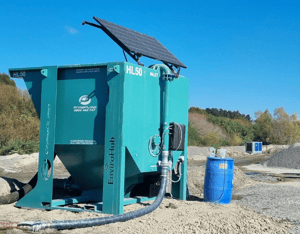
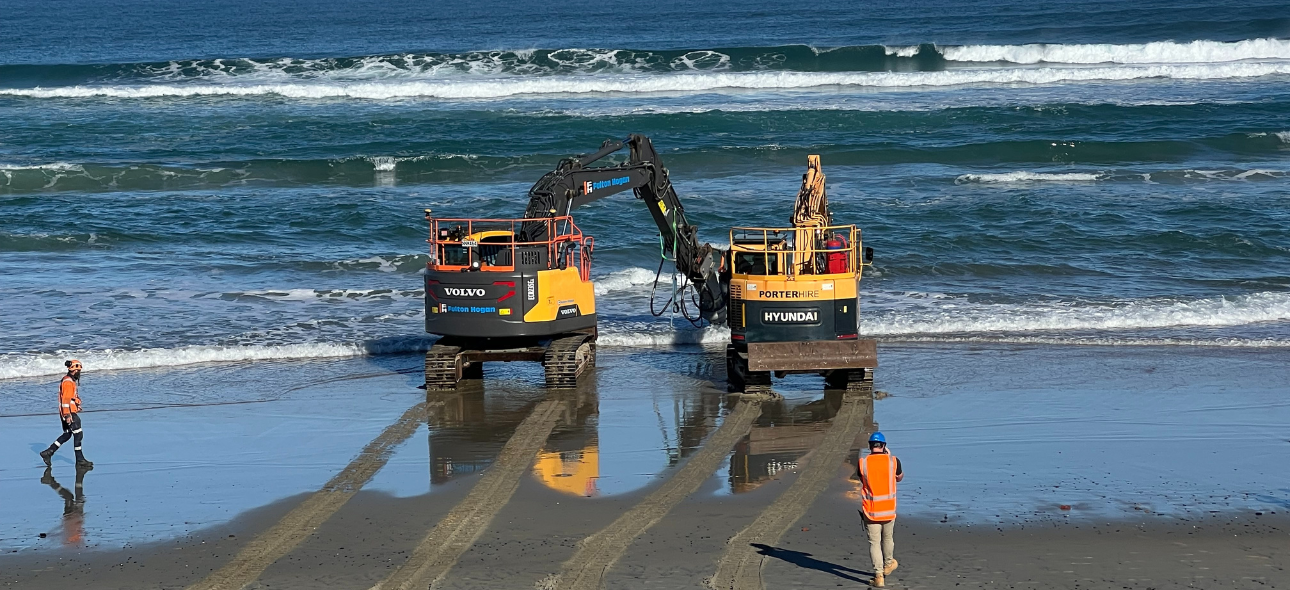
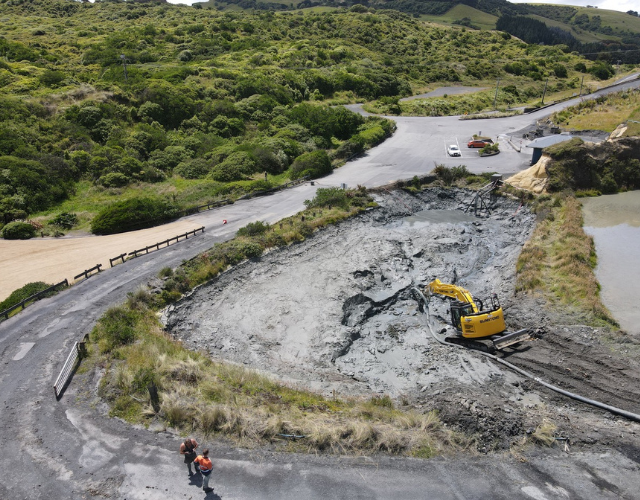
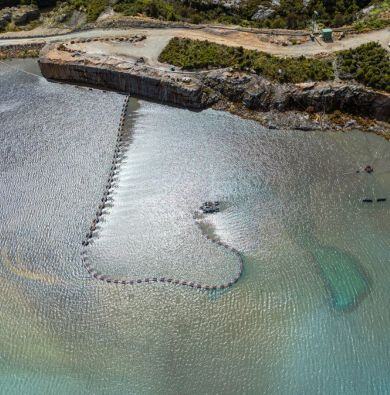
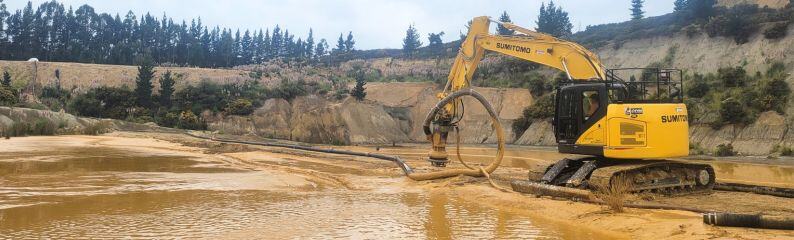
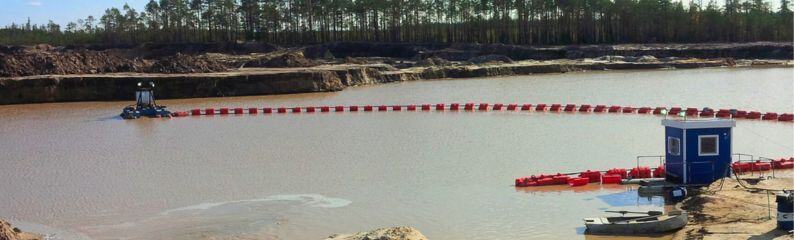
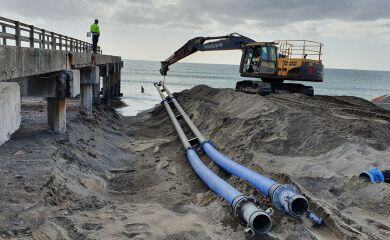
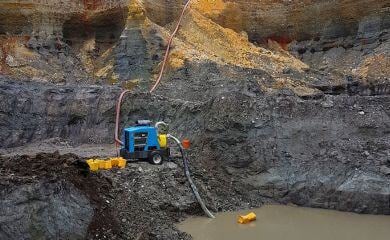
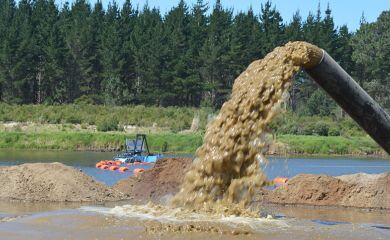
    Dragflow dredge pumps and mini dredges deal efficiently to large volumes of sediment-laden water. They are well-suited to reclamation and coastal protection work, and pond and channel cleaning.

    Key features include:

    • High efficiency agitator, reversible and high chrome for long life and continuous flow lifting of deposited sediments.
    • Low rotation speed: reduced wear and long-term efficiency.
    • Rugged and heavy-duty construction: highly resistant components for loaded and abrasive mixes.
    Built for extreme environments
    ECONOMY

    The cost of poor performance

    Efficient slurry and sludge management solutions will significantly improve your bottom line, with ‘hidden’ savings helping the systems to pay for themselves:

    • Reduced power consumption
    • Fewer breakdowns, lower maintenance requirement
    • Less staff and equipment required to deliver the same or better solution
    • Improved monitoring and reporting
    The cost of poor performance

    Overview of our Dredge Pumps

    Mini Dredges

    Maximise versatility and effectiveness with Dragflow's small but mighty mini dredges.
    Remote-controlled, easy to transport, easy to assemble.

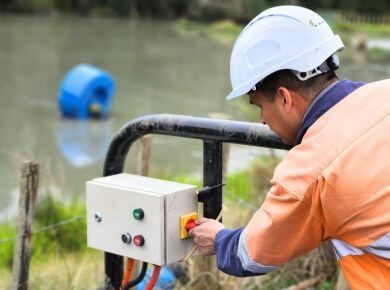
    Remote-controlled and Autonomous Dredges Maximise operator safety and minimise downtime with unmanned dredges. 
    Cable Dredges Access difficult locations with compact dredges that can work to depths of over 200m. 
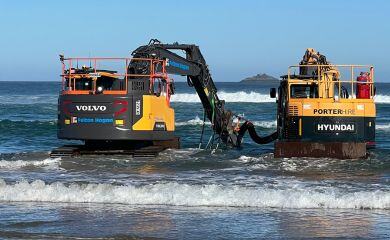
    Amphibious Dredges Adapt to land or water with powerful and effective multi-purpose machines. 
    Aquatic Harvesters Keep waterways clean and navigate without the use of chemicals. 
    Heavy-duty Electric Dredge Pumps

    These electric dredge pumps are often used for extracting material below the water table, or maintaining sludge levels. 

    • Size: 75mm – 300mm (3”-12”)
    • Max flow: 833 L/s
    • Max head: 120m
    • Max Solids: 120mm
    Hydraulic Dredge Pumps

    Designed to handle heavy slurries, primarily used for sludge transfer. Capable of pumping up to 70% of solids by wieght. 

    • Size: 100mm – 355mm (4”-14”)
    • Max flow: 1,111 L/s
    • Max head: 68m
    • Max Solids: 120mm
    Jetting Ring

    Agitate compact sludge and other materials with powerful water jets.

    • Electric & hydraulic models
    • Filter & non-return valve
    • Delivery line
    Side Cutters

    Combined with the dredge pump’s agitator, these excavators break compacted material so that it can be drawn into the pump and discharged

    • Replacable teeth
    • Electric & hydraulic models

    View our full range of dredge pumps and dredges

    See other Industrial Pumps

    Read Industrial Articles

    GALLERY

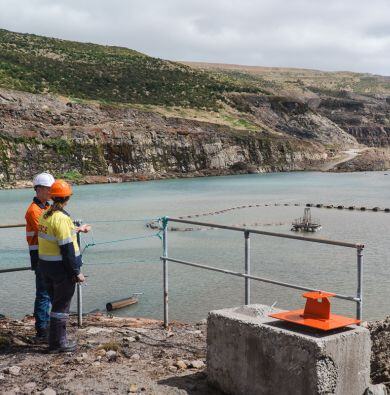
    In the field

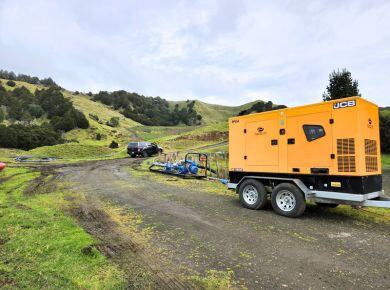
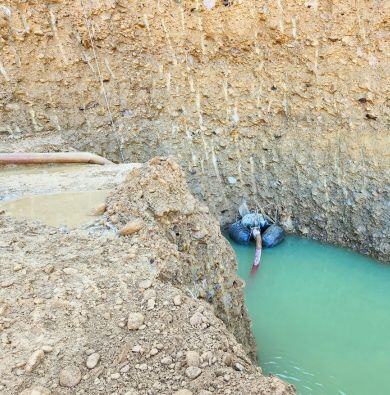
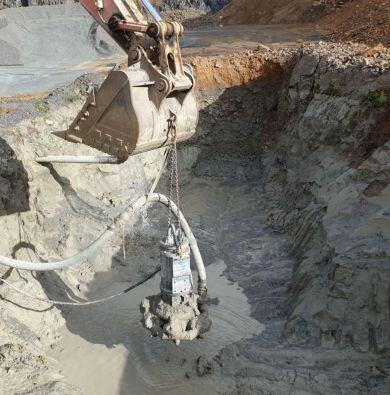
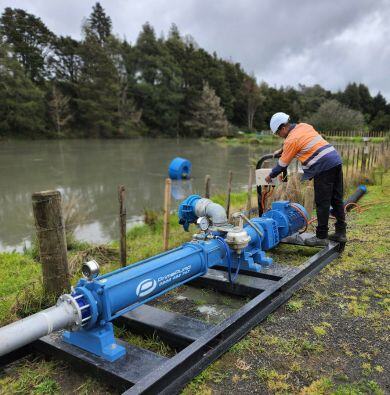
    Here are some examples of our solutions being used.
    They brought their mechanics, they didn't just dump it and leave….couldn't have done it without them to be honest

    Mark CadwalladerCatchment Worker

    This sort of unique system you set up is what sets you apart from others in the Market

    Jacob Warmsley Project Manager

    I had an amazing experience with Prime Pump at the Transmission Gully ... will recommend you guys anytime and anywhere.

    Peter FisherDirector

    You guys had our backs from the get-go and stood beside us and persevered.

    DaveOps Director

    We called for a different type of solution…... We were pretty happy with what's been delivered

    Rob KerrProject Director

    Prime supplied us with the best solution for hire and the instant availability was what we needed… We certainly will be using them in the future

    Priscilla EllmersWastewater Supervisor

    Make an enquiry

    Let’s sort your fluid management needs 
    Speak to an expert

    Ricardo Holt

    Ricardo Holt
    Sales Team Leader

    Brent Petrie

    Brent Petrie
    Sales Engineer

    Charlie Petrie

    Charlie Petrie
    Sales Manager

    Questions

    FAQ

    At Prime Fluid Management, we understand that every fluid management challenge brings unique considerations. Here, you’ll find clear, practical answers and expert guidance to help you maximise uptime, achieve regulatory compliance, extend equipment life, and implement the most effective solution for your site.

    Do you supply oil transfer pumps that can meet API 676 requirements?
    Some positive displacement internal gear pump ranges are manufactured to API 676, with specific exceptions depending on the model. If API 676 compliance is part of your specification, we can confirm suitability during selection and provide the relevant documentation.
    What’s the best oil transfer pump in NZ for diesel, fuel oil, or lubricating oil?
    The best option depends on viscosity, temperature, and whether you need steady metered flow or high throughput transfer. For many industrial oils and fuels, internal gear and external gear pumps are common choices because they provide consistent flow and handle higher viscosity fluids well.
    Can these pumps be specified for hazardous areas?
    Yes, hazardous area options may be available depending on the selected pump and motor package. For example, some equipment ranges offer certified IECEx hazardous area rated configurations, which can be specified when the site classification requires it – including suitable options for Zone 1 and Zone 2 hazardous areas.
    Do you need flooded suction, or can the pump run on suction lift and self priming?

    It depends on the fluid, temperature, viscosity, and how the tank and pipework are laid out. A flooded suction setup is usually the most stable option for consistent performance, especially with higher viscosity oils, because the pump is always supplied with product.

    If the pump needs to draw from a lower level or from a longer suction line, suction lift and self priming capability become important. However, the setup needs to be sized correctly to avoid issues like poor priming, air ingress, or cavitation. If you share your suction conditions and duty point, we can recommend a pump type and configuration that suits the installation.

    What features help protect the pump and improve reliability on fuel and oil duties?

    For fuel and oil applications, reliability often comes down to protecting the pump from pressure spikes and contamination, and selecting the right sealing arrangement. Depending on the pump type and duty, options can include an internal relief or bypass valve to protect against dead heading, and an inline suction strainer to reduce the risk of damage from debris.

    Seal selection also matters for demanding services, with configurations such as double mechanical seals used on certain duties where additional containment or reliability is required. We can guide you on what features make sense based on the product, operating conditions, and site requirements.

    What information do you need to specify a fuel transfer pump in NZ?

    To specify the right fuel transfer pump for a New Zealand site, we typically need the fuel type, required flow rate, temperature, and viscosity, along with suction conditions such as flooded suction or suction lift.

    Once we have those details, we can confirm the most suitable pump type and configuration for your application – including options for heavier fuels where viscosity is higher.