Pump Types
Auto Prime
Air-operated
Concrete Washdown
Dredge Pumps - Dewatering
Dredge Pumps - Sludge & Slurry
Dredges
Flexi, Trash & Diaphragm
High Head Pumps
Handy-sized Pumps
Lamella Settling Tanks
Peristaltic
pH Correction
Piston Pumps
PTO (auto prime)
Centrifugal
Primary Sludge
Progressive Cavity
Shore-mounted
Stirrers
Submersibles
Proportional Dosing
Settling Tanks & Bag
Submersibles - Drainage
Submersibles - Slurry & Sludge
Stirrers - WWTP
Trash, Flexi & Diaphragm
Water Quality Monitoring
Wellpointing
Chemicals
Food Processing
Fuels & Oils
Hot Oil
Hot Water
Hygienic
Marine
Solids Handling Pumps
Vacuum & Blowing
Viscous Fluids Pumps
Wastewater
Comprehensive water treatment and monitoring solutions

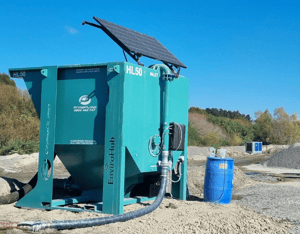
Designed for high flow, low pressure situations where transfer of thick slurries is required.
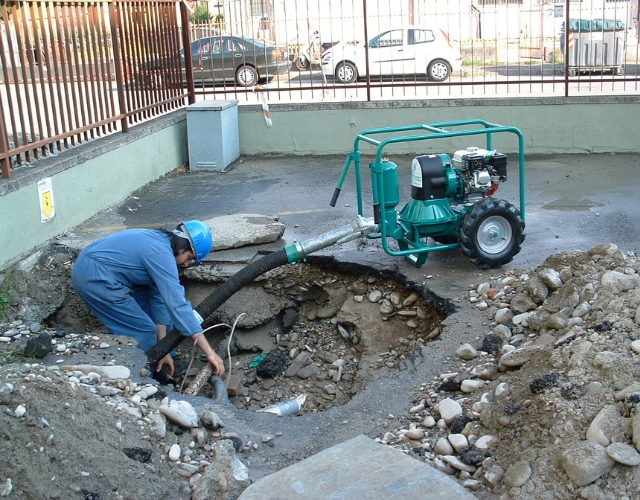
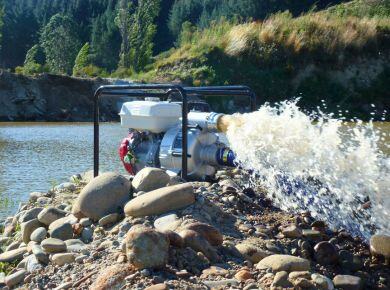
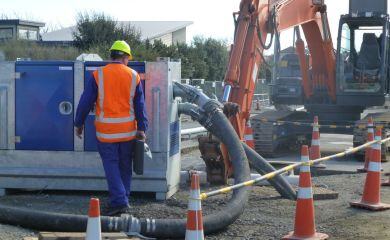
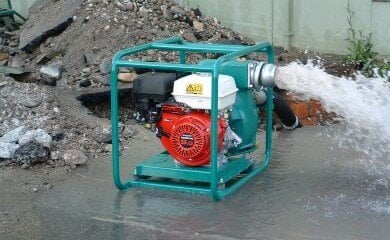
A lightweight, portable dewatering pump with rugged frame, protected coil, cast-iron impeller and 3-dog coupling for safer handling. No priming required.
Compact, lightweight Proril SMART and SAVVY series pumps provide reliable low-volume dewatering for domestic and small construction applications.
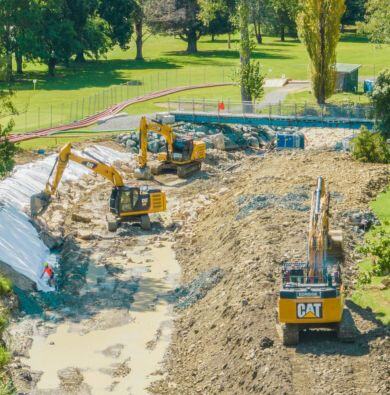
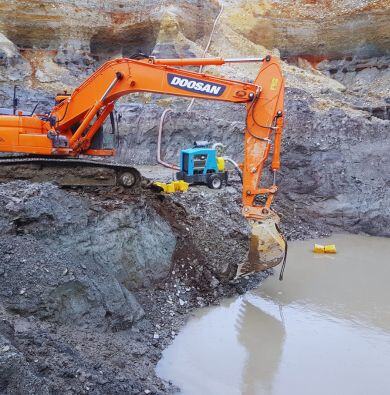
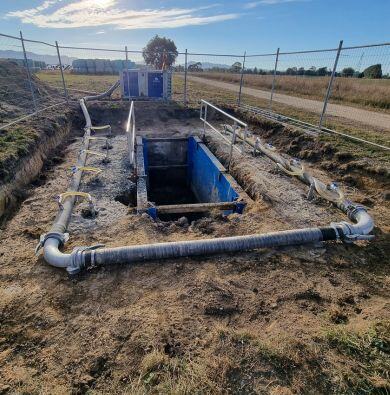
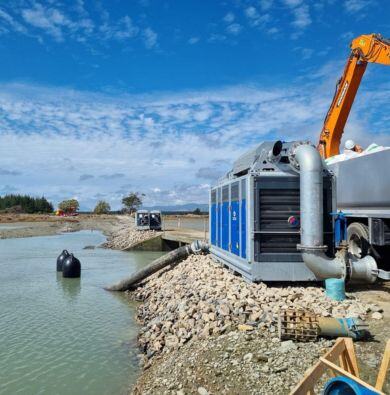
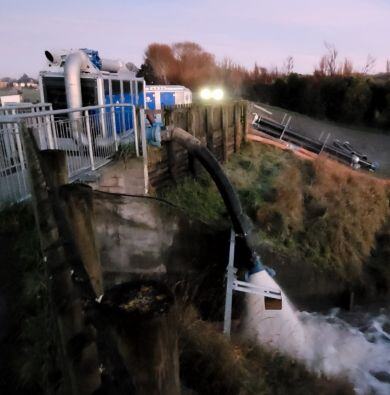
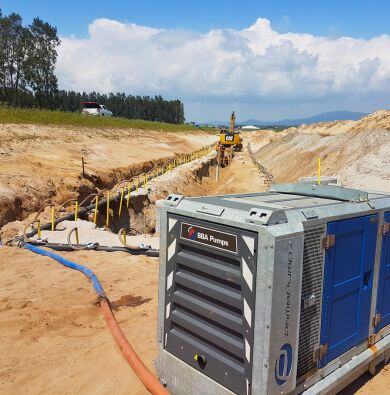
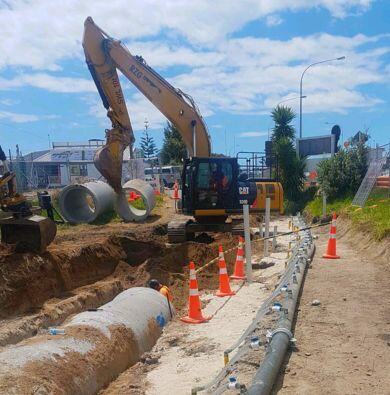
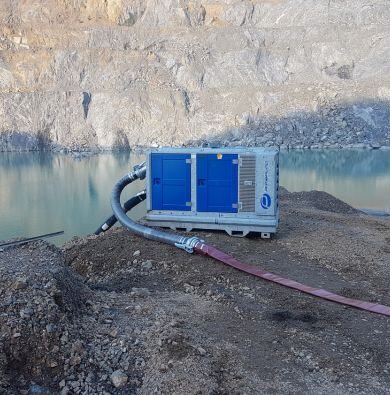
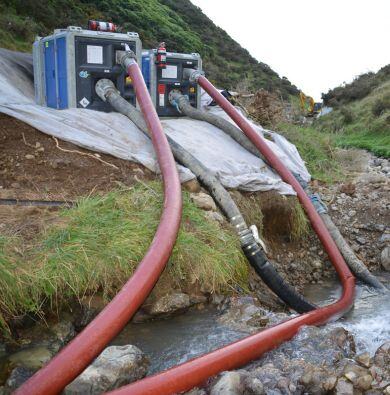
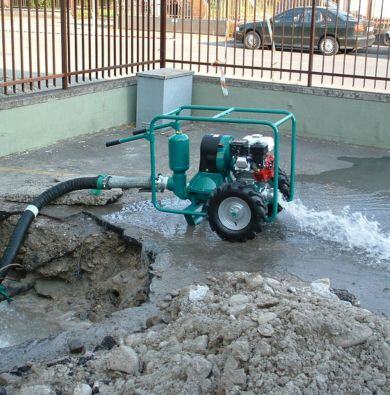
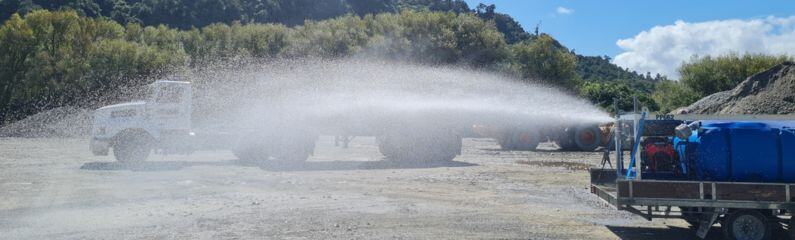
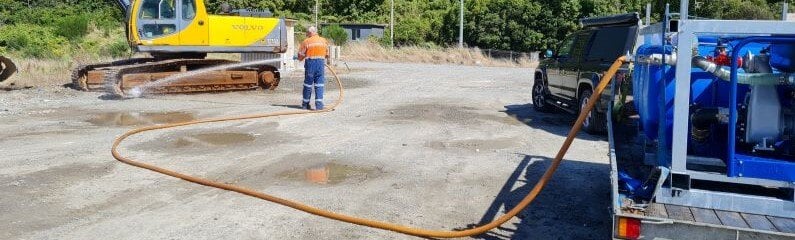
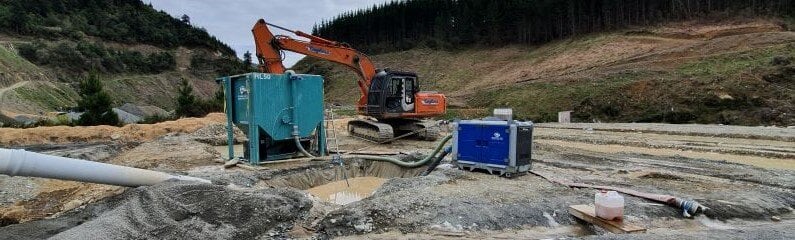
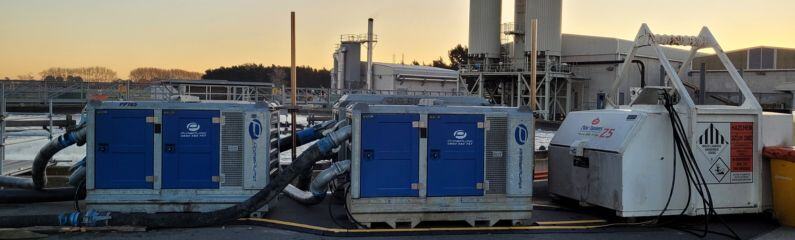
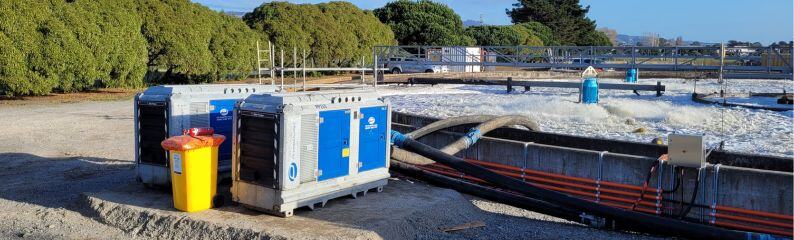
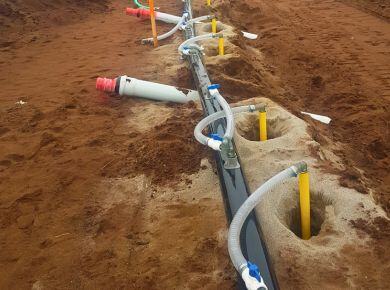
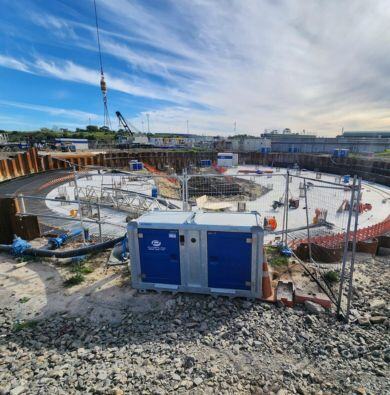
Here are some examples of our solutions being used.
At Prime Fluid Management, we understand that every fluid management challenge brings unique considerations. Here, you’ll find clear, practical answers and expert guidance to help you maximise uptime, achieve regulatory compliance, extend equipment life, and implement the most effective solution for your site.
It depends on the fluid, temperature, viscosity, and how the tank and pipework are laid out. A flooded suction setup is usually the most stable option for consistent performance, especially with higher viscosity oils, because the pump is always supplied with product.
If the pump needs to draw from a lower level or from a longer suction line, suction lift and self priming capability become important. However, the setup needs to be sized correctly to avoid issues like poor priming, air ingress, or cavitation. If you share your suction conditions and duty point, we can recommend a pump type and configuration that suits the installation.
For fuel and oil applications, reliability often comes down to protecting the pump from pressure spikes and contamination, and selecting the right sealing arrangement. Depending on the pump type and duty, options can include an internal relief or bypass valve to protect against dead heading, and an inline suction strainer to reduce the risk of damage from debris.
Seal selection also matters for demanding services, with configurations such as double mechanical seals used on certain duties where additional containment or reliability is required. We can guide you on what features make sense based on the product, operating conditions, and site requirements.
To specify the right fuel transfer pump for a New Zealand site, we typically need the fuel type, required flow rate, temperature, and viscosity, along with suction conditions such as flooded suction or suction lift.
Once we have those details, we can confirm the most suitable pump type and configuration for your application – including options for heavier fuels where viscosity is higher.