/Logo/Prime_logo_web_colour.svg)
/Logo/Prime_logo_web_white.svg)

Primary sludge pumps
Reduce downtime for maintenance
Ultra-low maintenance pumps
Wangen pumps are recognised globally for their reliability and long service life. Wangen’s focus on precision engineering and innovative design has simplified the maintenance and operation of their progressive cavity series’.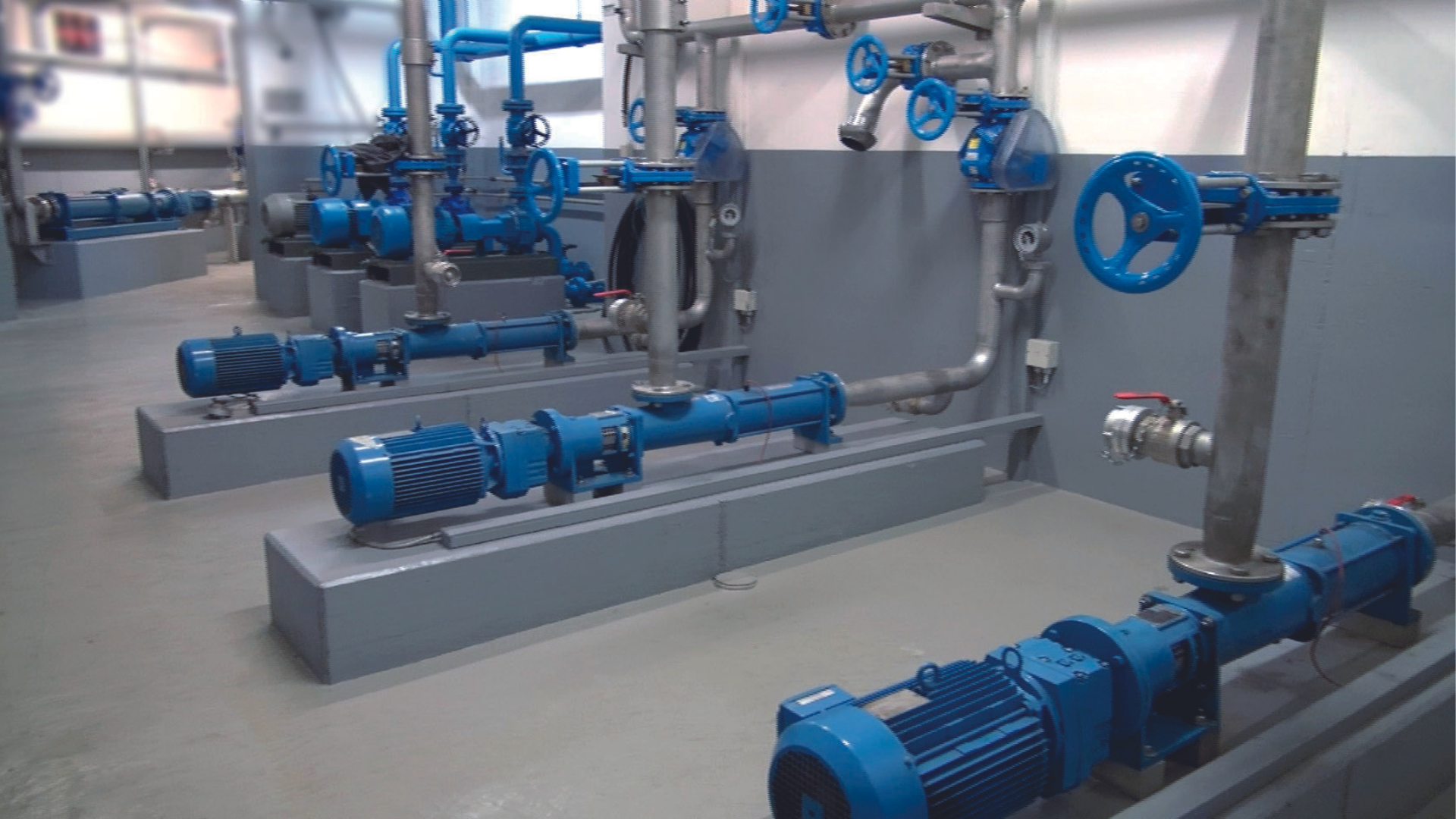
Low noise blowers
Dargang blowers deliver low noise, low maintenance and high efficiency to the aeration and mixing process. The inlet and outlet are constructed as silencers to reduce noise and casings for the impeller and motor are individually cast. A maintenance-free shaft seal separates motor from impeller.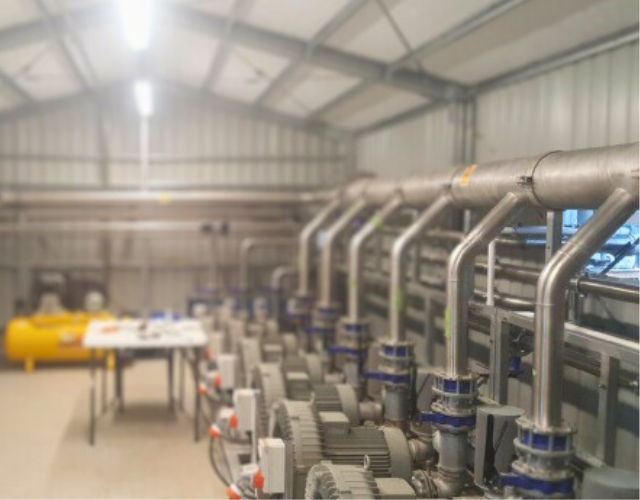
Overview of our Primary Sludge
This Wangen pump is designed for precise conveying and dosing in wastewater treatment plants. It features a durable, wear-resistant flexible joint that requires no oil filling, ensuring maintenance-free operation and preventing media contamination
- Series: KB10 (Plastic)
- Flow Rate: 0.5 up to 200L/h
- Series: KB22S (Cast Iron)
- Flow Rate: 200 up to 4000L/m
- Max Pressure: 16 bar
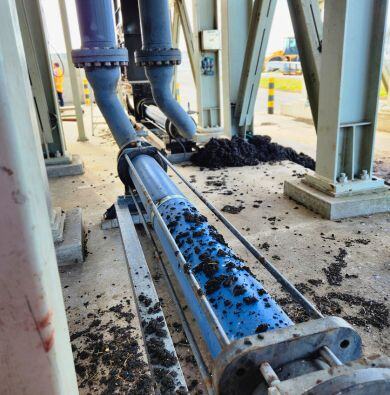
Developed for ease of maintenance, you can change wear parts of the Wangen Xpress with the pump still in your pipeline. Suitable for low-viscous media.
- Series: Xpress
- Power: 7.5 – 18.5kW
- Speed: 152 – 221rpm
- Max flow: 102m³/hr
- Max pressure: 6 Bar
Wangen produces an extensive range of hopper feed pumps for slurries and pastes with high solids content (KL-R Series) and dewatered sludge (KL-RU, KL-RQ, KL-RS and KL-R Triplex models).
- Max flow: 560m3/hr
- Max pressure: 48 bar
- Max solids: 45%
- For extremely dry or lumpy material
Low-noise, low-maintenance, high-efficiency side channel blowers to aid aeration and mixing process of primary sludge in wastewater treatment applications.
- Max airflow: 4.4m3/min
- Noise: 52 - 73dB
- Max vacuum: 250mbar
- Max compression: 260mbar
Very low maintenance and highly dependable, Wangen KL Series of effluent PC pumps perform at very low rpm and features a unique, encapsulated cardon joint that is wear and maintenance-free.
- Power: 7.5 – 18.5kW
- Speed: 152 – 260 rpm
- Max flow: 60m³/hr
- Max pressure: 12 bar
Varisco J-series JS pumps are bare shaft. They can be long-coupled on a baseplate with your choice of drive unit. Additional options include:
- Inverter
- Flange kit
- Automatic greaser
- Zine anodes
Questions? We'll get back to you within 24 hours
In the field
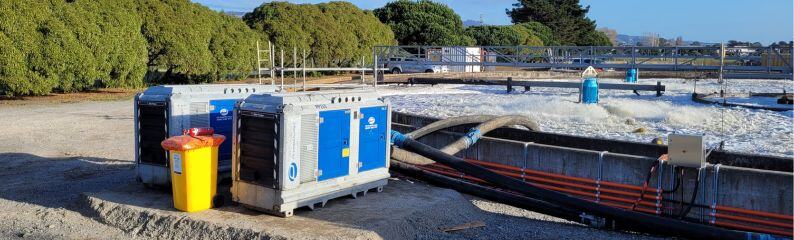
Here are some examples of our solutions being used.