/Logo/Prime_logo_web_colour.svg)
/Logo/Prime_logo_web_white.svg)


In civil construction, the difference between a strong month and a tight one often comes down to working capital.
Water management can’t wait. Pumps need to be on site when the job starts – but whether you hire, lease or buy them can affect your cash flow long after they’re switched on.
Choosing the right approach isn’t just about cost. It’s about protecting flexibility while keeping projects moving. Here, we break down when pump hire makes sense, when ownership works best and how leasing compares.
This guide draws on real-world insights from Ben Beatson, Hire Account Manager at Prime Fluid Management.
Key takeaways – Hiring, leasing or buying pumps at a glance
- Hiring protects cash flow and suits short-term or uncertain work.
- Buying suits consistent long-term demand.
- Leasing provides equipment use without ownership during the term.
- The right choice depends on duration, utilisation and capital flexibility.
Why hire, lease and buy affect cash flow differently
Each option changes when you pay, how much capital you commit upfront and how long that commitment runs.
Hiring
Hire costs align with the job. Upfront cost is low and payments usually stop when the work ends. Financial exposure stays tied to the period of use.
Leasing
Leasing sits between hire and purchase. You use the equipment for a defined term while payments run over the agreed period. Upfront capital is lower than buying – but the commitment lasts longer than hire.
Buying
Buying requires upfront capital or structured repayments. The pump becomes your asset – and you take responsibility for maintenance, storage and lifecycle management.
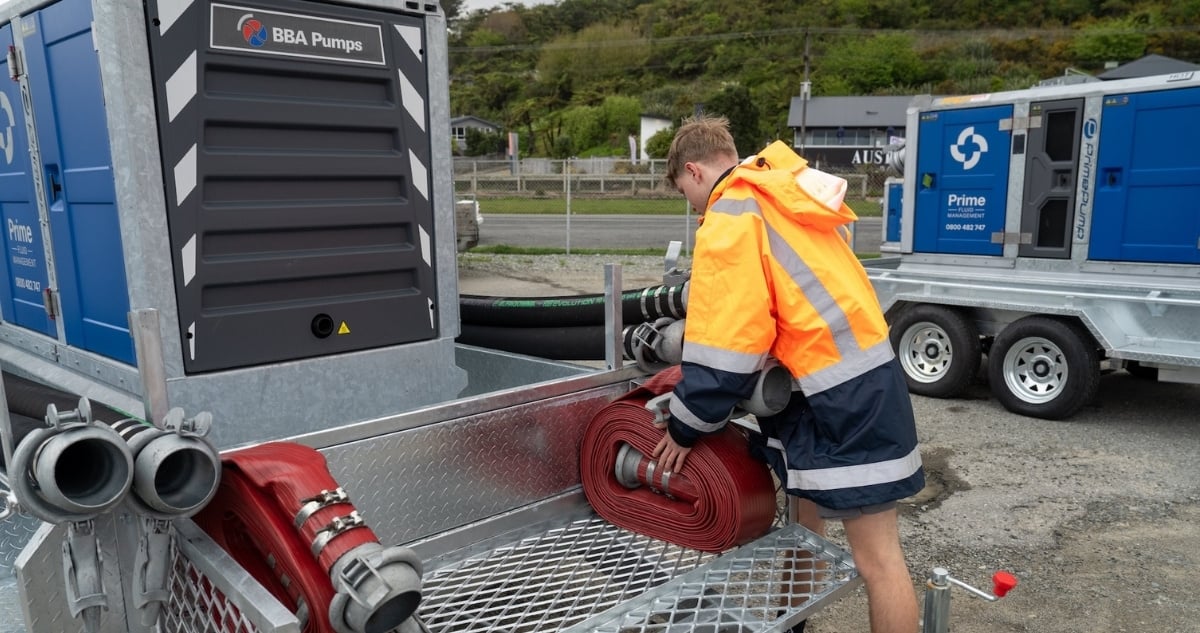
Preparing a BBA trailerised pumpset for hire
When does pump hire make sense?
Pump hire works best when the requirement is temporary or uncertain, such as managing excavation water or high water tables.
Ground conditions change. Excavations extend. Bypass pumping systems can run longer than expected – and emergency or backup pumping may be needed when things don’t go to plan.
Locking capital into ownership in those situations can reduce flexibility.
Hiring keeps financial exposure tied to the duration of the work. When the job ends, the commitment does too.
In practice, that means upfront conversations about scope, budget and risk – so expectations are clear before equipment leaves the yard.
Learn more about our pump hire services.
How has Prime’s hire approach evolved?
No two jobs look the same, so pump rental structures shouldn’t either. Discussions start with how the pump will actually be used on site.
Where a pump keeps excavation open or protects programme timelines, servicing or standby arrangements may be built into the hire. Lower-risk jobs often need a simpler setup.
Ultimately, we structure the hire around how the pump will operate on site.
Some projects also suit dry hire – where equipment is collected and installed by your own team.
Deciding to buy a pump
Buying makes sense when demand is consistent and predictable – and when you’re confident the pump will stay busy across projects.
Ownership gives you control and availability when you regularly deliver:
- Long-term dewatering projects
- Repeat bypass pumping or water diversion work
- Ongoing water management operations.
But ownership also brings responsibility for maintenance, storage and replacement. In civil contracting, utilisation is what usually determines whether ownership stacks up financially.
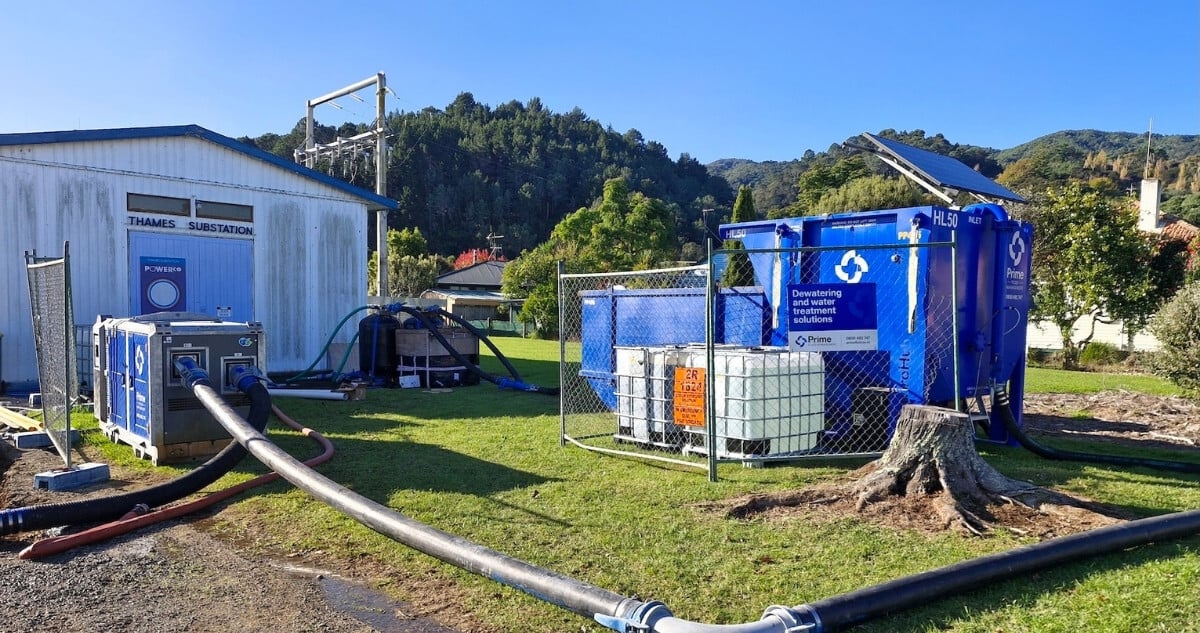
A specialist dewatering solution in Thames
How leasing works
Leasing sits between hiring and purchasing.
You gain use of the equipment for a defined term without taking on ownership during that time. Payments run across the agreed term – reducing upfront capital compared with buying.
Leasing works best where project scope and duration are reasonably predictable.
At the end of the term, options may include:
- Returning the equipment
- Extending the agreement
- Transitioning to ownership.
At Prime, we structure lease arrangements to suit your project’s requirements.
Choosing between hire, lease and buy
Before deciding whether to hire, lease or buy pump equipment, it helps to consider:
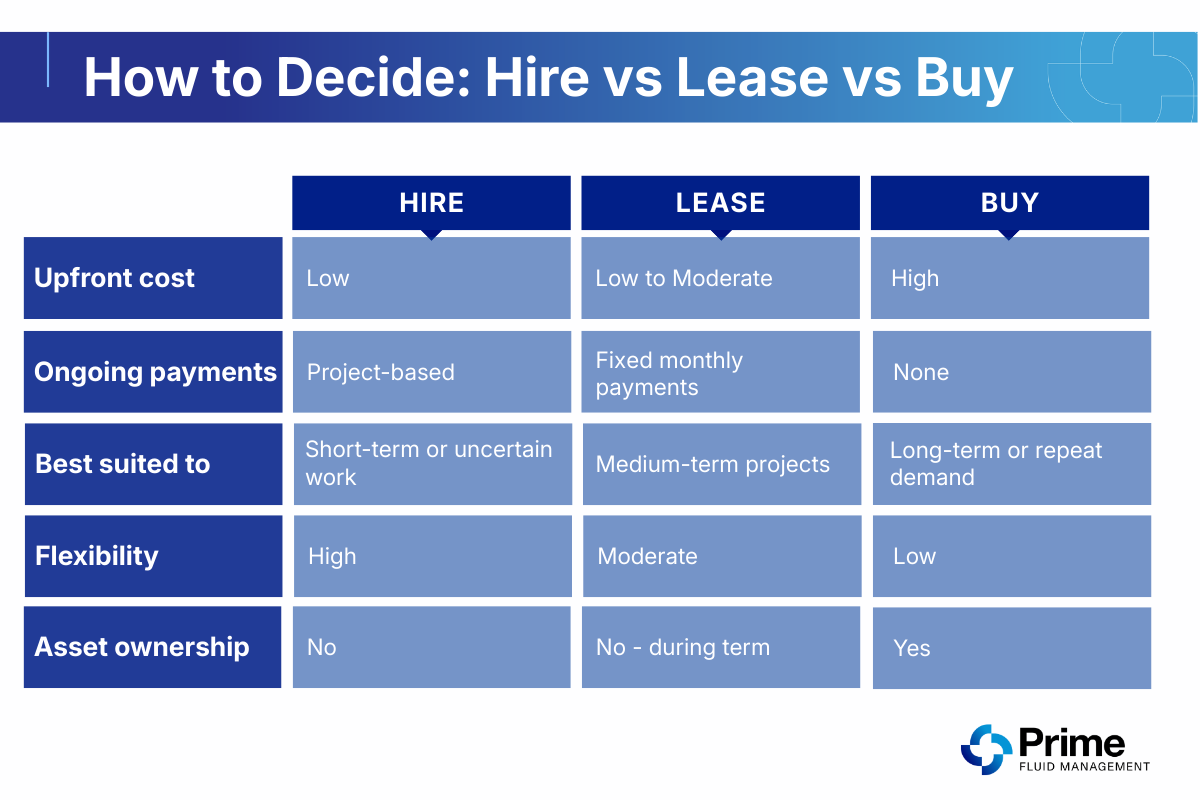
- Time period – short-term or uncertain work usually suits hire, while defined medium-term requirements may suit leasing, and long-term demand can justify ownership
- Frequency of use – pumps used consistently across projects can justify buying, while occasional or reactive demand usually suits hire
- Capital exposure – hiring keeps upfront capital low, leasing spreads cost over time, and buying commits capital but provides full asset control.
The right choice depends on how confident you are in future workload.
How do you protect cash flow?
Protect cash flow by matching hire, lease or purchase to the duration and certainty of your project.
Problems usually arise when the equipment commitment outlasts the work.
Buying for short-term demand can lock up capital. Leasing for uncertain scope adds risk. Relying on hire for constant long-term use can become inefficient.
The goal isn’t just reducing cost – it’s keeping the business flexible while the work keeps moving.
What to know before entering an agreement
Before committing to a hire, lease or purchase agreement, understand:
- Approvals – lease or purchase arrangements may require credit approval
- Documentation – the agreement and supporting information must be completed before you get the pump
- Release conditions – equipment becomes available once approvals and conditions are met.
Confirming these early keeps projects moving and avoids surprises close to site start.
What’s the process for hiring, leasing or buying pumps?
The process is straightforward – from initial enquiry to equipment supply you’ll need to:
- Outline the project – site conditions, water volumes, discharge requirements, and expected duration
- Confirm the proposed pump or water management setup
- Review pricing and hire terms
- Complete approvals or documentation – if leasing applies.
Find out about Prime’s hire, lease and buy services.
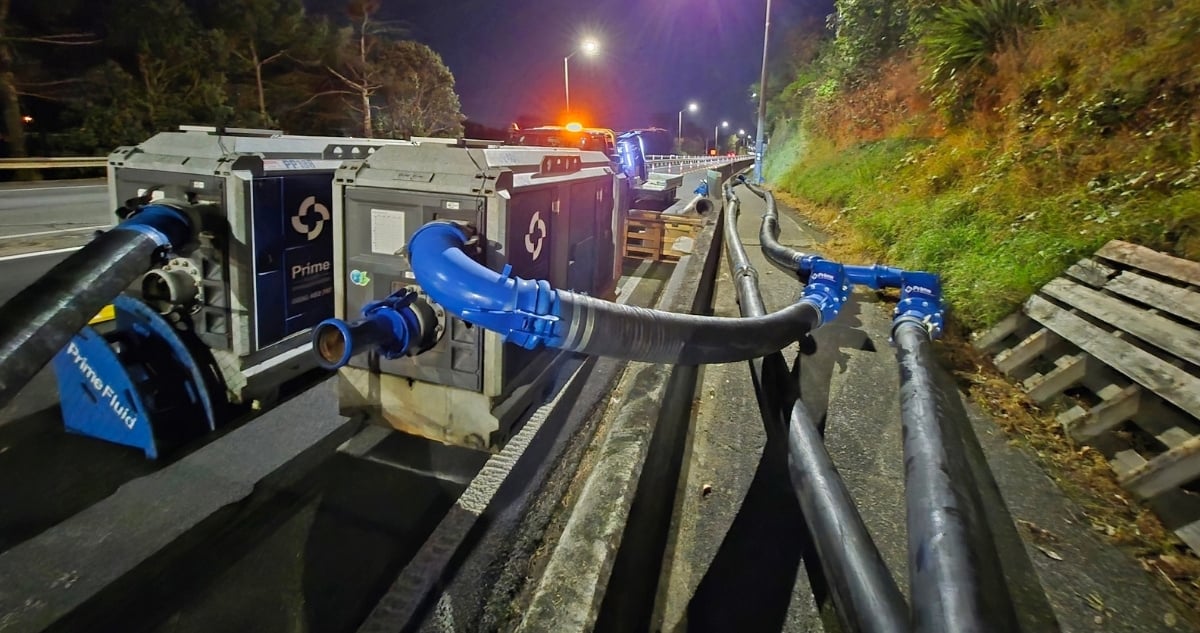
A bypass system using BBA BA180 pumps on SH2 near Lower Hutt
Making the right hire, lease or buy decision
Hire, lease and buy each serve different purposes. The right choice depends on workload visibility, utilisation and capital flexibility.
What matters most isn’t whether you hire, lease or buy – it’s whether the structure suits the job.
If you’re deciding whether to hire, lease or buy pumps for your project, the Prime Fluid Management team can help you work through the options.
Start by exploring our pump hire services.