/Logo/Prime_logo_web_colour.svg)
/Logo/Prime_logo_web_white.svg)
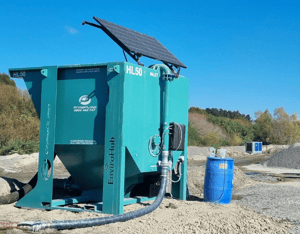

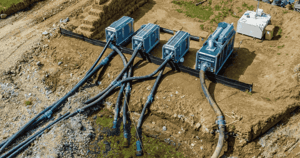
If you’ve been on enough civil sites, you’ll know how water management plans can go. Water doesn’t wait for your schedule – and once it’s in the way, everything slows down.
On complex civil and infrastructure jobs, it’s not just about getting gear to site – it’s about putting together a temporary fluid management setup that keeps performing when conditions change.
Be sure to lock in early the answers to three key questions, the critical inputs, and the two things that most often trip teams up – redundancy and refuelling.
This blog offers some insightful advice from Ben Beatson, Hire Account Manager at Prime Fluid Management.
Key takeaways – Planning water management at a glance
- Think temporary fluid management – not just pump hire.
- Plan to manage water early - and avoid water becoming a treatment/disposal issue.
- Lock in redundancy early – it’s the biggest driver of reliability.
- Price the overall operating cost, not the hire rate.
Early planning stops water issues turning into treatment problems
If there’s one thing that consistently saves time and hassle on site, it’s getting ahead of water early. Plan dewatering and controls well in advance, rather than chasing water after excavation when it becomes mixed with sediment and creates a larger treatment and disposal task.
Discharge conditions are an early constraint – they often decide whether you’re simply moving water or need to treat it first.
Discover more about hiring for civil projects with Prime.
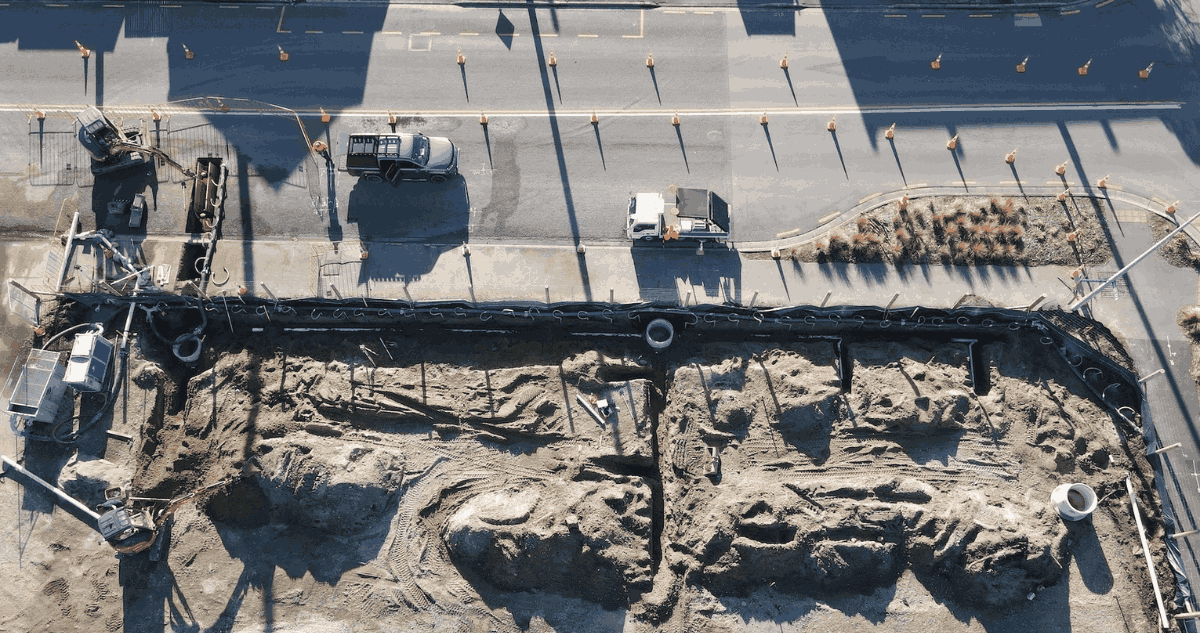
Aerial view of excavation and groundwater control works in New Brighton
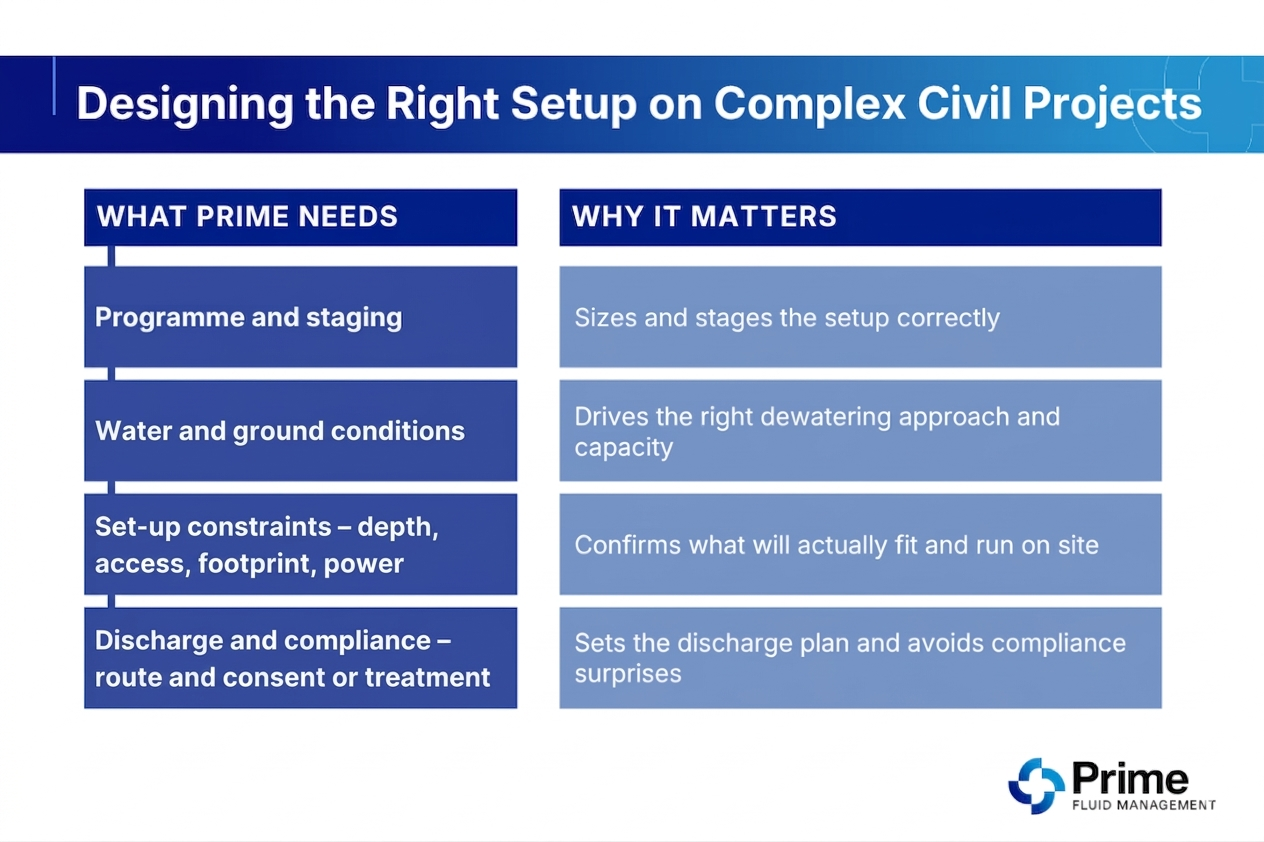
Three practical questions that quickly set the direction
Before jumping to pump sizes and equipment lists, start with three key questions that help prevent the job being carried out on guesswork.
-
What’s the project – when and where will the hire setup be needed?
-
What are the top three drivers – like time, safety, environment, public impact or cost?
-
What does failure look like – what keeps you awake at night? Those answers shape staging, discharge, monitoring, and how much redundancy makes sense.
What a well-planned hire setup looks like on complex jobs
A reliable hire setup starts with the basics done properly. Be clear about site constraints, understand how they setup will sit on site and how it will run.
You should expect built-in system checks to prevent headaches later. Things like:
- A safety plan
- Pressure and leak testing
- Monitoring, alerts and alarms – at a level that matches the consequence of failure.
As Ben puts it - don't just look at the hire number. How much would downtime on site cost if the system failed? What are the compliance implications? The cost of labour? Is the design easy to manage, monitor, clean our or refuel?
What you’re really hiring – a temporary fluid management setup
Pump hire is the phrase that often gets used. On complex projects, what you’re really hiring is a temporary water management setup – and the support to make it perform on site:
- Discharge lines – like hoses, fittings and a route
- Power planning, monitoring, and alarms
- Water treatment – depending on consent conditions.
Look into whether hire, lease or buy is right for your civil job>>
_3_11zon.png?width=1200&height=633&name=Banner-Varisco-industrial-wastewater-pump%20(4)_3_11zon.png)
Wellpointing and water treatment at Centreport in Wellington
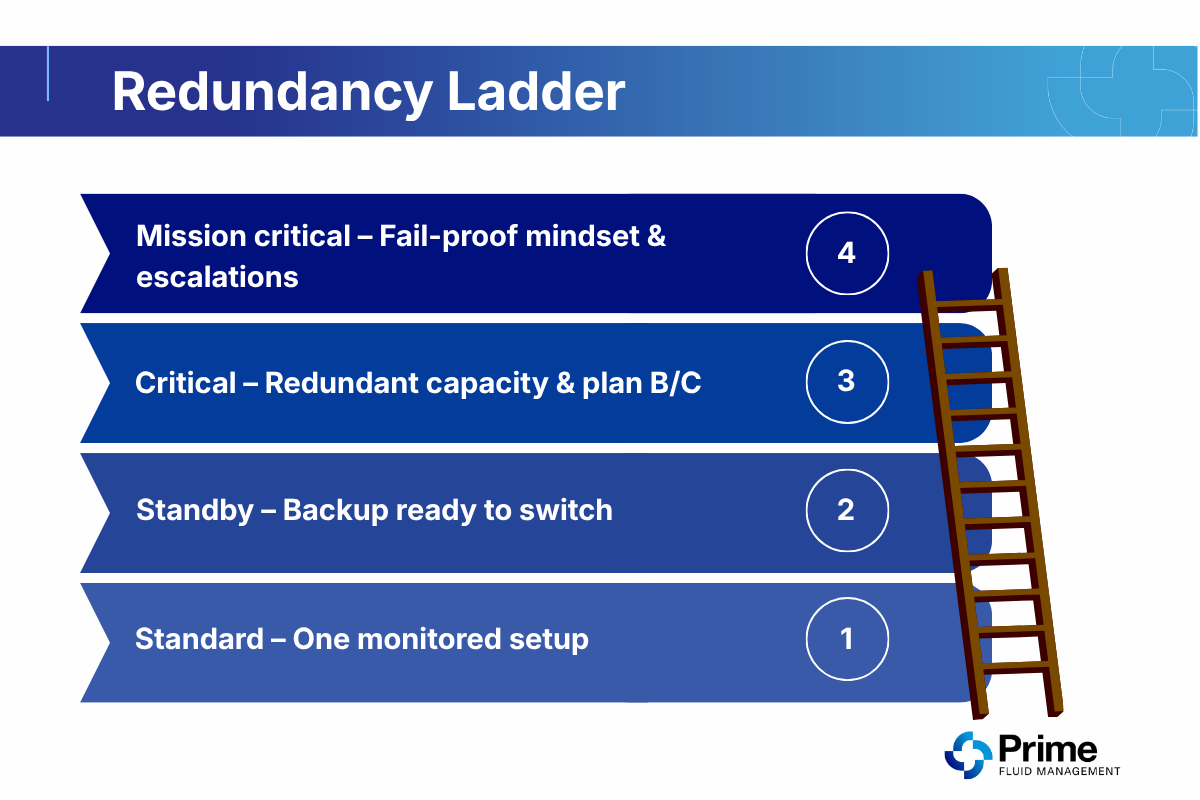
Redundancy – the reliability decision you need to make early
Redundancy isn’t a nice-to-have on complex projects. It’s an early decision about what level of risk the project can live with – and what happens if your fluid management system stops.
In some cases, like stormwater and sewer bypasses, where public and reputational risk is high, the brief from the customer is always "make it fail-proof". In other industries, budgets and timeframes see a push to trim capacity to the minimum – and that’s where things get fragile.
A practical way to handle this is to agree on redundancy early and make it specific:
- What are your duty or standby expectations?
- What happens in wet weather?
- What the response looks like if something trips?
See this water management hire example on critical infrastructure in Lower Hutt.
Fuel and refuelling cycles – another overlooked factor
Another reliability lever teams often underestimate is fuel and refuelling – not just cost, but the site time it takes to keep a hire setup running.
More efficient setups need fewer site interventions, which reduces labour time and reliability risk, particularly on long-running jobs.
At Prime, we treat hire as a temporary fluid management setup, not a last-minute equipment drop. That’s how we help teams plan, configure, and deploy a system that performs under real site conditions – without surprises.
Find out more about hiring our pumps, equipment, expertise, and support.